
Five gadgets, five different reasons people keep filming themselves with them. This year, how well a product shows up on camera seems to count for as much as its spec sheet. But some of these gadgets are genuinely useful and some are just fun. We checked each one against manufacturer pages and independent reviews so you can tell which is which.
Key takeaways
- Most useful: Google’s Fitbit Air, a screenless tracker at $99.99 with about a week of battery, but no built-in GPS.
- Most innovative: the Antigravity A1, a 360-degree drone. TechRadar calls it an impressive innovation, but it starts at $1,599.
- Pure fun: pocket thermal printers, the Divoom Ditoo-Pro speaker and IKEA’s smart Varmblixt lamp.
- Dropped: view counts and “killer” comparisons that we could not verify.
Fitbit Air: the tracker with no screen
Google’s Fitbit Air has no display and no notifications. According to 9to5Google’s launch coverage, the pebble weighs 5.2 g (12 g with the band), claims seven days of battery, and a five-minute charge gives about a day. It sells for $99.99, with a Stephen Curry edition at $129.99, and includes three months of Google Health Premium. Sales started 26 May 2026.
Independent testing is encouraging. Which? measured more than eight days in the lab (199 hours), found a 1.34% overall heart rate error, and priced it at GBP 85. Its limits: no GPS, so distance relied on steps (10.8% daily distance error), and the AI Coach needs a paid plan at GBP 7.99 a month. Which? concluded it is good value for passive health monitoring but not the best pick for active workouts.
Pocket thermal printers
These palm-sized Bluetooth printers use heat-sensitive paper, so there is no ink or toner. The category is not new: Brazil’s Canaltech tested the Phomemo T02 in September 2023, called it good and cheap, and noted that paper is the only running cost. It also pointed out that fade-resistance claims on refill rolls come from the manufacturer, not an independent test. We could not verify the viral view counts that circulate for these printers, so we have left them out.
Antigravity A1: a drone you frame after landing
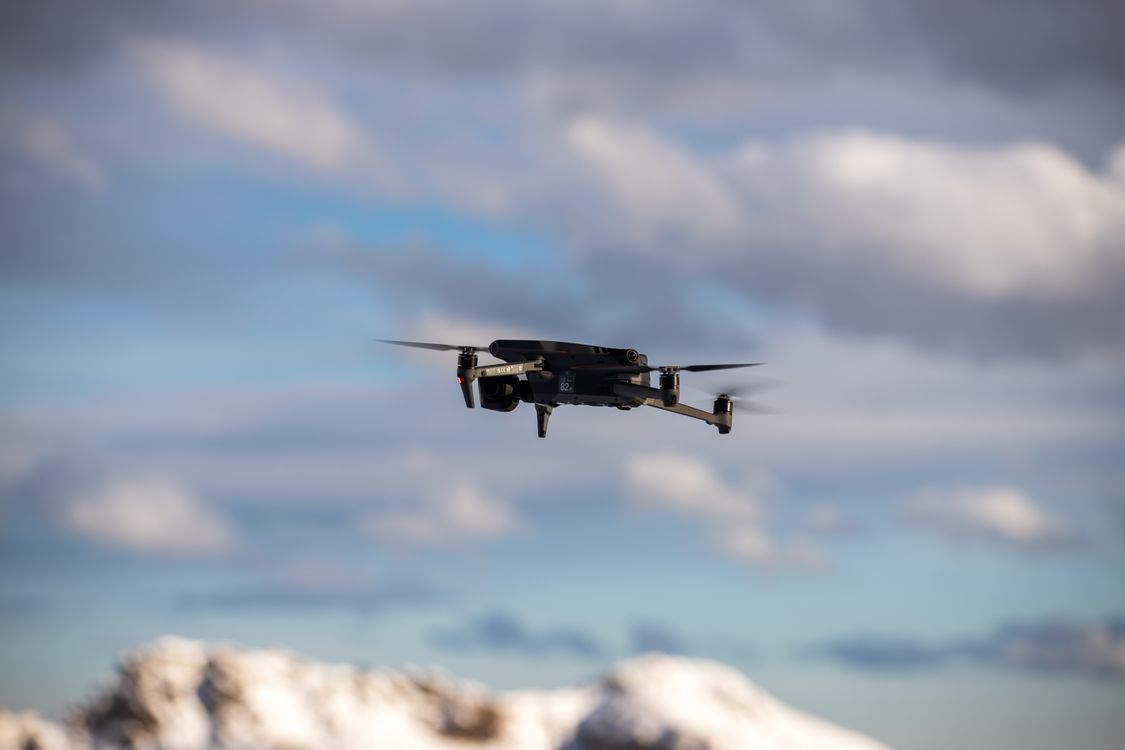
The 360-degree drone we can verify is the Antigravity A1. TechRadar’s review describes dual sensors recording 8K at up to 30 fps, a body that is effectively invisible in the footage, and a “fly first, frame later” workflow. The drone weighs 249 g, or 291 g with the larger battery. The bundles start at $1,599 and go up to $1,999 at launch.
The trade-offs are real. TechRadar notes you need goggles and a motion controller, a spotter must keep the drone in sight, and image quality resembles a 360 camera rather than a standard camera drone. It scored Design 5/5, Performance 4/5, Image and video quality 4/5 and Price 3/5.
Update, October 2026: The A1 has dropped in price since launch. DroneDJ reported the first discount in March 2026, and Antigravity then advertised up to 25% off for Prime Day in June. That makes the $1,599 starting price above a ceiling rather than a guide. Compare current listings before you buy, and check that a cheaper bundle still includes the goggles and motion controller you need.
Retro desk gear: Divoom Ditoo and IKEA Varmblixt
Divoom. Divoom’s own site lists the Ditoo-Pro at $99.99 with a 15 W speaker, a retro computer-style design and a pixel display with RGB keys and a joystick shown in its imagery. We could not confirm the exact specs of the original Ditoo, so check the model name before you buy.
IKEA. The Varmblixt keeps the donut shape designed with Sabine Marcelis but is now a smart lamp using Matter over Thread. Matter Alpha reported it in stores in March 2026 at 699 SEK (about $77), ahead of an April release. Phone-based control needs a Thread border router, which IKEA’s DIRIGERA hub provides. We could not find a confirmed US price.
At a glance
| Gadget | Verified price | Best for | Main catch |
|---|---|---|---|
| Fitbit Air | $99.99 (US); GBP 85 (UK) | Sleep and heart-rate tracking without a screen | No GPS; AI Coach needs a paid plan |
| Pocket thermal printer (Phomemo T02 tested) | Varies by seller; not verified in USD | Journals, stickers, scrapbooks | Paper is a recurring cost; fade claims are the maker’s own |
| Antigravity A1 | $1,599 to $1,999 at launch | Shooting first, framing later | Expensive; needs goggles and a spotter |
| Divoom Ditoo-Pro | $99.99 on Divoom’s site | Desk speaker with pixel display | More toy than hi-fi |
| IKEA Varmblixt (smart) | 699 SEK in Sweden | Decor plus Matter lighting | Needs a Thread border router for phone control |
Who should buy what
Buy the Fitbit Air if you want sleep and heart-rate data without another screen. Buy the Antigravity A1 only if you already fly drones and want something new. Choose the printer, Ditoo-Pro or lamp if you want something charming for your desk and accept it will not change how you work. Skip the Fitbit Air if you want built-in GPS for runs, and skip the A1 if the price alone gives you pause.
Before you buy: checklist
- Check the exact model name; Divoom and printer brands sell several similar products.
- Look for ongoing costs: subscriptions (Fitbit Air), refill paper (printers) and accessories (A1 goggles).
- Confirm regional pricing and availability on the maker’s own store.
- Check local drone rules before flying anything, including a sub-250 g model.
- For smart-home gear, check that your hub supports Matter and Thread.
FAQ
Does the Fitbit Air have GPS?
No. Which? found distance tracking relies on step-based estimates, with a 10.8% daily distance error.
How long does the Fitbit Air battery last?
Google claims seven days. Which? measured more than eight days in the lab and six to seven days in real use.
Do thermal printers need ink?
No. They use heat-sensitive paper, which is the only recurring cost according to Canaltech’s test.
What does the Antigravity A1 cost?
Launch bundles ran from $1,599 to $1,999 per TechRadar. Later discounts have been reported, so check current listings.
If you’re tracking this year’s gadget releases, we’ve also covered Xiaomi’s 6mm Power Bank Is Thinner Than Your Phone and Galaxy Z Fold 8, Fold 8 Ultra & Flip 8. For more, visit our Tech & Gadgets section.
Sources and reporting
- 9to5Google (7 May 2026): Fitbit Air launch details.
- Which? (28 August 2026): Fitbit Air lab tests.
- TechRadar (4 December 2025): Antigravity A1 review.
- Canaltech (4 September 2023): Phomemo T02 test.
- Divoom product page and Matter Alpha (2 March 2026) on the Varmblixt.
Figures are as reported on the dates given and may have changed. We have not tested these products ourselves.

Leave a Reply