
Four episodes in, and Lucky has finally stopped circling the drain and jumped straight in. Episode 4 — the one fans have been waiting for since the premiere — delivers the confession that Drew Starkey’s Lucky has been owed since the very first scene.
What actually happens when Cary tells Drew Starkey’s Lucky the truth
The short version: Cary breaks. After three episodes of careful misdirection, half-truths, and the kind of loaded silences that good television lives on, he finally lays it out for Lucky. No more deflection. No more strategically timed interruptions saving him from the moment.
What makes the scene land is Starkey’s restraint. He doesn’t explode. He doesn’t crumble into a weeping heap. He just… absorbs it. That quiet stillness — which anyone who watched him in Outer Banks will recognize immediately — does more dramatic work than a five-minute monologue ever could. It’s the kind of performance that makes you pause the episode and sit with it for a second.
The revelation itself reframes everything that came before it. Scenes from Episodes 1 through 3 that felt like routine character-building now read as deliberate setup. That’s tight writing.
Why Lucky’s reaction to Cary’s confession changes the show’s direction
Here’s the thing. A lesser show would’ve played this moment as pure catharsis — the big dramatic payoff, credits roll, done. Lucky doesn’t do that. The confession isn’t a conclusion. It’s a detonator.
Lucky’s response — measured, almost unreadable — sets up what’s clearly going to be a messier back half of the season. He doesn’t forgive Cary. He doesn’t condemn him either. He just holds the information like something he hasn’t decided what to do with yet. And frankly, that ambiguity is a smarter creative choice than whatever clean resolution audiences might’ve expected.
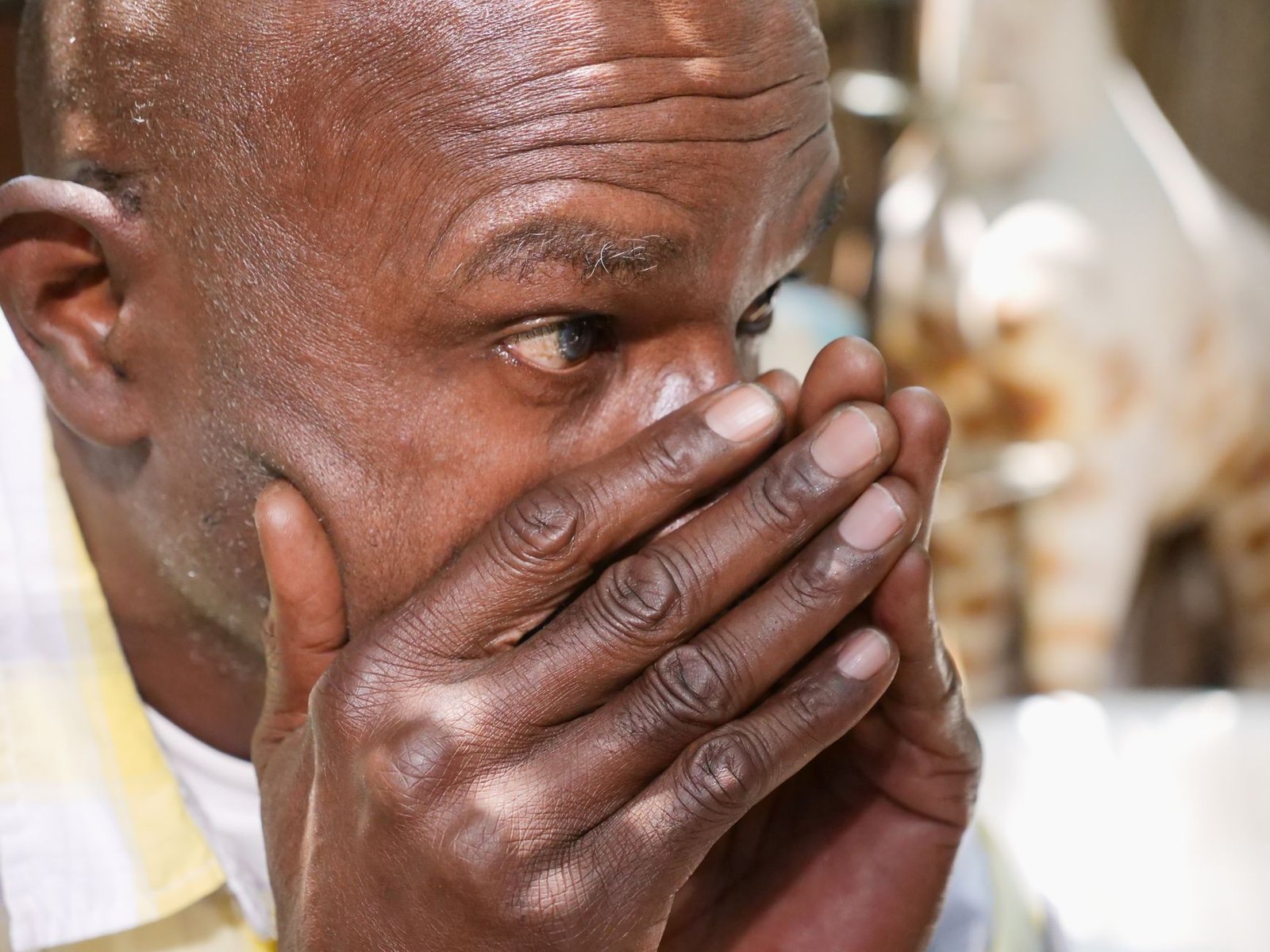
That matters because it repositions Lucky from passive subject to active agent. Up until Episode 4, things have largely been happening to him. Now he knows what Cary knows. The dynamic has shifted. And Drew Starkey, to his credit, plays that shift with zero fanfare — which, if you’ve been paying attention to his career trajectory, shouldn’t surprise anyone.
Drew Starkey’s rise and why Lucky is his most nuanced role yet
Starkey built his mainstream fanbase on Outer Banks, where he played Rafe Cameron — a villain whose menace was about 40% instability and 60% wounded entitlement. Good work. But ultimately a character defined by his worst impulses.
Lucky is something more complicated. The character carries damage without announcing it. He’s reactive but not reckless. Guarded without being cold. It’s a harder needle to thread, and across four episodes, Starkey has threaded it consistently.
The streaming landscape is littered with prestige-adjacent shows that collapse under the weight of their own atmosphere. Lucky has been flirting with that risk. Episode 4 suggests the writers know exactly where they’re going — and that Starkey has the range to take it there.
What Drew Starkey’s Lucky sets up for the rest of Season 1
With Cary’s truth now out in the open, the remaining episodes have a structural problem to solve: how do you sustain tension when the central secret is gone? The answer, based on Episode 4’s closing moments, appears to be that the secret was never really the point. It was the relationship — and what the truth does to it.
That’s a harder story to tell. It’s also a more interesting one.
Season 1 of Lucky still has room to stumble, and mid-season revelations don’t always survive contact with their own aftermath. But Episode 4 has earned some goodwill. Drew Starkey’s Lucky is no longer just a compelling character — he’s a character with something to do.
For more entertainment coverage, see Madison Beer and Justin Herbert Are Engaged and 72 Hours: Kevin Hart’s Netflix Comedy, Reviewed. For more, visit our Entertainment section.
Sources and reporting
This article uses Apple TV Press’s official episode guide for the series, cast, and Episode 4 information; the critical interpretation is Sanewords’ own.
How to read this episode review
This is critical commentary on a specific episode of Lucky, not a report about the actors’ private lives or a prediction of the series finale. Plot interpretation, chemistry and pacing are subjective judgments. Production credits, episode availability and credited cast information should be checked against Apple’s official program page.
What episode 4 changes
The useful question is not simply whether Drew Starkey has more screen time, but whether Cary’s choices alter Lucky’s options. Episode 4 works as a hinge when a supporting character forces the protagonist to reveal information, change tactics or accept a new risk. Viewers can assess that by tracking what Lucky knows at the beginning, what Cary causes her to learn, and which decision becomes impossible to reverse by the closing scene.
- Performance: consider gesture, timing and delivery rather than confusing the actor with the character.
- Writing: ask whether the turn follows information established in earlier episodes.
- Pacing: distinguish deliberate tension from scenes that merely postpone the next event.
- Payoff: revisit the judgment after later episodes resolve—or abandon—the setup.
Spoiler note: this article discusses events through episode 4. Readers who have not reached that episode should use Apple’s synopsis and episode list first.

Leave a Reply