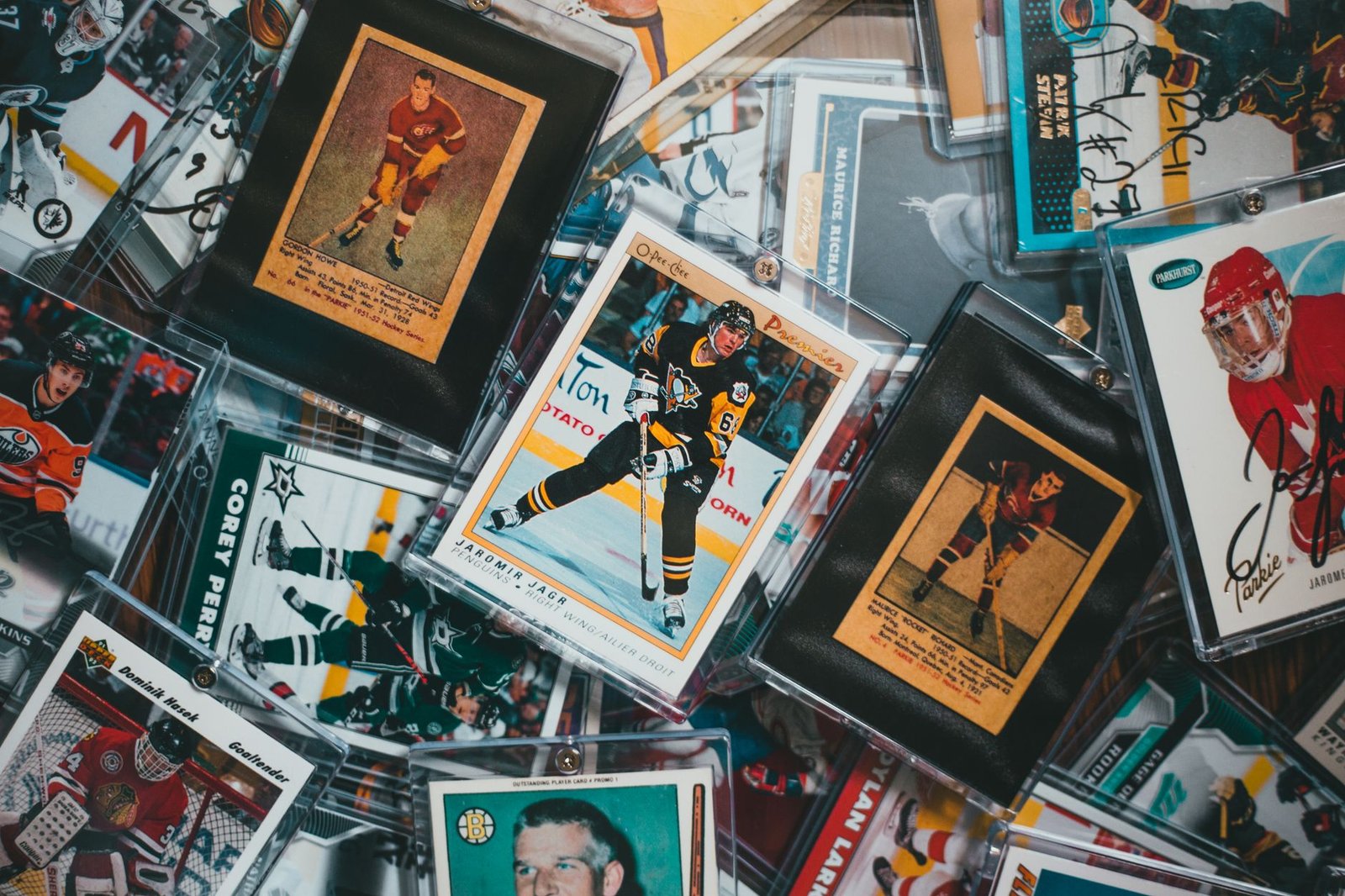
Anniversary years bring out a particular kind of energy in the collecting world. Longtime fans dust off old binders, casual players suddenly care about pull rates again, and store shelves fill up with products stamped with a special anniversary mark. Pokémon’s 30th is one of those moments, and it’s driving a lot of searches from people who want to know exactly where to find the cards, toys and other merchandise tied to the celebration without overpaying or getting stuck with something less special than they hoped.
This guide walks through what typically defines an anniversary release, the shopping channels collectors usually rely on, how to tell a genuine find from a questionable one, and what else beyond cards tends to show up during these celebrations. None of this replaces checking official Pokémon channels for the specific details of this particular anniversary, since exact products, timing and availability are best confirmed directly from the source. But if you’re new to this corner of collecting, or just rusty, the fundamentals below should help you shop with more confidence.
What Makes 30th Anniversary Cards Different
Anniversary sets in the trading card world generally lean on nostalgia. Publishers tend to revisit artwork or characters from early in a franchise’s history, sometimes reprinting classic cards with a new finish, a commemorative stamp, or updated foil treatment. For a franchise with three decades of history, that often means cards referencing the original games, the earliest sets, or fan-favorite creatures that defined the brand’s first years.
Anniversary products can take a few different forms. Some are straightforward booster packs with a special seal or anniversary logo on the wrapper. Others are curated tins or collection boxes that bundle a handful of cards with a promo item, like a coin, a pin, or a small figure. There are also premium collector sets aimed less at gameplay and more at display, often priced higher and produced in smaller quantities.
Because these releases lean heavily on limited-time framing, they tend to move faster off shelves than standard product. That’s worth keeping in mind if you’re hoping to grab something specific rather than whatever happens to still be in stock by the time you get to a store.
Where Collectors Are Looking to Buy
When a trend like this spikes, most of the shopping interest funnels into a handful of predictable places. Understanding the strengths and weaknesses of each can save you time and frustration.
- Official brand retail: The company’s own online store is usually the first stop for exclusive items tied directly to an anniversary, including things that won’t show up anywhere else. The tradeoff is that high-demand items can sell out quickly and shipping windows may stretch out during peak demand.
- Big box retailers: Chains like Target, Walmart and Best Buy typically carry mainstream card products, including special-edition packaging for major anniversaries. These stores are convenient and often price-competitive, but anniversary stock can disappear fast, and restocks aren’t always predictable.
- Local hobby and game shops: Independent stores that specialize in trading cards often get allocations of new product and may offer better guidance on what’s actually inside a given box or tin. They’re also a good place to ask questions before buying, which isn’t something you get from an online listing.
- Online marketplaces: Sites built around trading card sales let you search for exact cards, sets or sealed products, often with grading and condition details attached. This is usually the most reliable way to find something specific once initial retail stock has cleared out, though prices here reflect demand rather than the original retail price.
- General online marketplaces: Broader platforms carry plenty of anniversary product too, but require more diligence about seller reputation and return policies, since the range of sellers is much wider.

Spotting Authentic Cards and Avoiding Pitfalls
Anniversary hype tends to bring counterfeit and misrepresented product out of the woodwork, so a bit of caution goes a long way. A few habits help:
- Check seller history and reviews before buying from anyone you haven’t dealt with, especially for sealed boxes or higher-priced individual cards.
- Compare listing photos closely against official images of the product when they’re available. Slight differences in font, color saturation, or foil pattern can indicate a reprint or counterfeit.
- Be wary of steep discounts on sealed anniversary products, particularly soon after release. Genuine scarcity usually pushes prices up, not down.
- Consider third-party grading for individual cards you plan to hold onto long-term. Professional grading services authenticate and assess condition, which matters if you ever plan to sell or insure a card.
- Keep receipts and packaging for anything you buy as an investment piece, since provenance can matter later if you decide to resell.
It’s also worth remembering that not every card from an anniversary set carries the same value or demand. Some pieces are genuinely scarce; others are simply commons dressed up in anniversary packaging. Doing a little research on what’s actually rare within a given release, rather than assuming everything with the anniversary logo is valuable, will keep expectations realistic.
Beyond Cards: Toys and Other Anniversary Merch
Card collectors aren’t the only ones shopping during a milestone celebration. Anniversary lines typically extend into plush toys, apparel, pins, stationery, and sometimes higher-end collectible figures aimed at adult fans rather than kids. These items often share design cues with the card releases, like matching color schemes or the same anniversary logo, which makes them appealing to people building a themed collection rather than just chasing cards.
Toy aisles at major retailers usually carry the more accessible end of this merchandise, while specialty collectible shops and official online stores tend to stock the pricier, limited-run pieces. If you’re shopping for a gift rather than for your own collection, the toy and apparel side of an anniversary line is often easier to find in stock than the card products, since demand and scarcity dynamics differ.
Shopping the Celebration Without the Stress
Anniversary releases are exciting precisely because they don’t happen often, but that same rarity is what makes shopping for them a little chaotic. Sticking to a few reliable channels, verifying sellers before you buy, and being honest with yourself about what you actually want out of the purchase, whether it’s nostalgia, gameplay, or long-term value, will serve you better than chasing every rumor of a restock. The cards and merch will keep circulating for a while after the initial rush, so there’s rarely a need to rush into a purchase you haven’t checked out carefully.

Leave a Reply