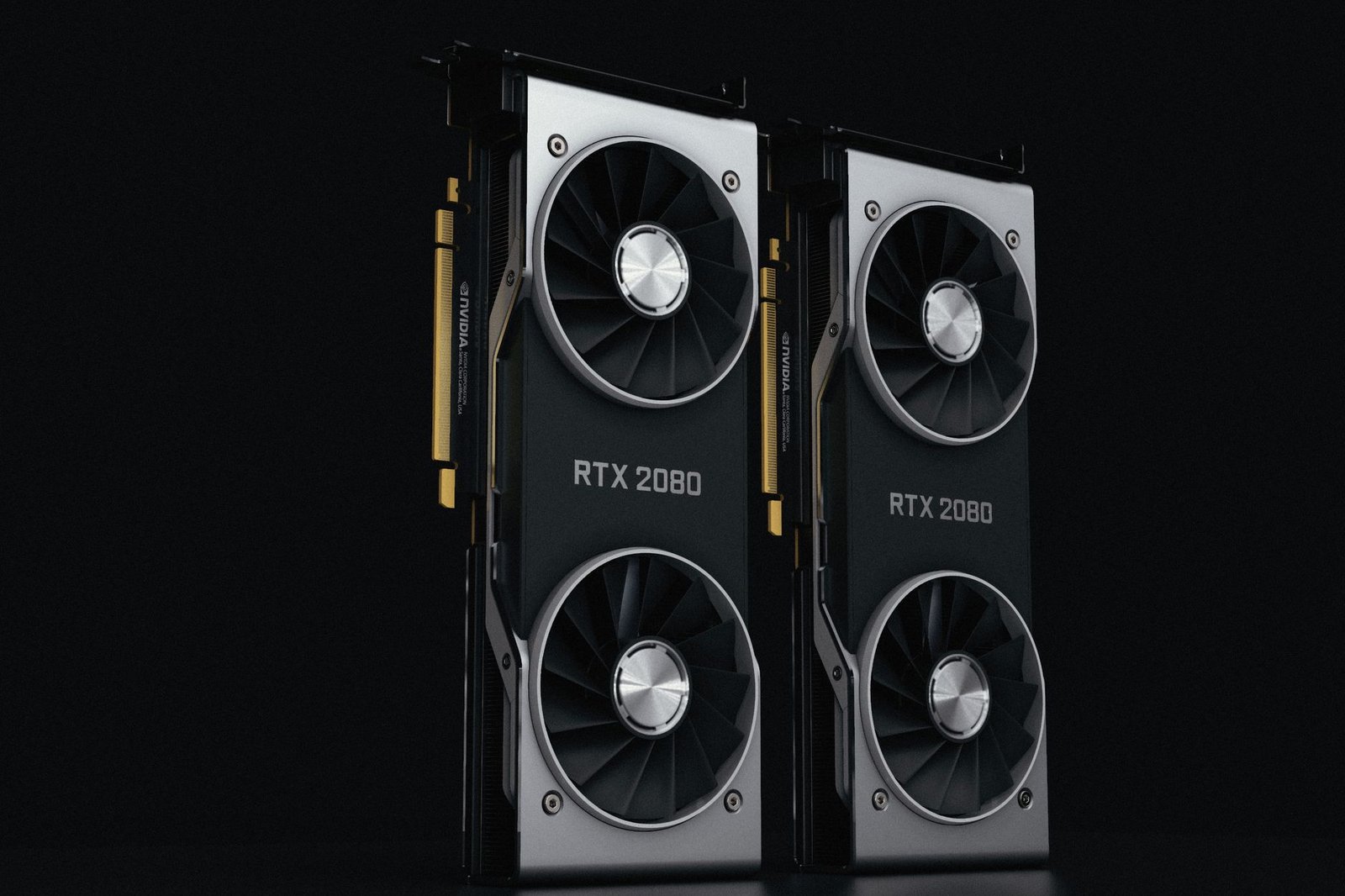
NVDA stock has already had a year that would satisfy most investors for a decade. Shares are up sharply from their 2023 levels, and NVIDIA’s market cap has crossed the $3 trillion threshold more than once. But with August earnings on the horizon, traders aren’t celebrating — they’re calculating.
Why NVDA stock lives and dies by data center revenue
Strip away all the noise — the AI hype, the Jensen Huang leather jacket, the breathless analyst upgrades — and NVDA stock really comes down to one line item: data center revenue. That single segment now accounts for well over 85% of NVIDIA’s total quarterly sales. Everything else is basically a rounding error.
Here’s the thing. When Microsoft, Google, and Amazon report their quarterly cloud spending figures — which happen before NVIDIA’s own August earnings call — those numbers function as a real-time preview. If hyperscaler capex is rising, NVIDIA’s order book almost certainly is too. If cloud giants start pulling back, the implied demand signal gets ugly fast.
That’s the one number analysts are fixated on right now: hyperscaler capital expenditure guidance. It’s not a metric NVIDIA controls or reports itself, but it may be the single most predictive figure for where NVDA stock goes between now and whenever Jensen Huang picks up the mic in August.
What the hyperscaler spending reports actually signal for NVDA
Microsoft’s Azure, Google Cloud, and AWS have each telegraphed aggressive infrastructure buildouts through 2025 and beyond. Collectively, the three companies are projected to spend somewhere north of $200 billion on capital expenditures in 2025 — a staggering number, and a significant chunk of that flows directly to GPU clusters.
NVIDIA’s H100 and the newer Blackwell-architecture chips are the primary hardware those clusters are being built around. There’s no real substitute at scale, frankly, which gives NVIDIA a pricing power that would make most chip companies envious.

But look closer and there’s a complication. Lead times, export restrictions, and supply chain dynamics mean that reported capex spending and actual NVIDIA revenue recognition don’t always sync up neatly. A quarter where Microsoft announces massive GPU orders might not show up cleanly in NVIDIA’s numbers until one or two periods later. That lag creates opportunities — and traps — for short-term traders.
NVDA stock’s risk factors before August aren’t what you’d expect
The bears on NVDA stock aren’t really arguing that AI demand is fake. Most have given up on that. The current concern is more specific: valuation relative to the earnings growth curve, and the risk that hyperscaler spending growth merely meets expectations instead of blowing past them.
NVDA trades at a forward price-to-earnings multiple that prices in near-perfection. Any hint that data center revenue is growing at, say, 90% year-over-year instead of 110% could be enough to knock the stock despite what would objectively be a spectacular quarter by any normal company’s standards. Markets are weird that way.
There’s also the ongoing U.S. export control situation. Restrictions on selling advanced chips to China have already forced NVIDIA to create downgraded versions of its products for that market. If those restrictions tighten further before August, the revenue ceiling on NVDA stock gets compressed — not eliminated, but compressed. Worth watching.
What to watch before NVDA reports in August
The short version: pay attention to what Microsoft, Alphabet, and Amazon say during their earnings calls about GPU procurement and AI infrastructure spending. Those reports will land weeks ahead of NVIDIA’s own numbers. If all three reaffirm or raise their capex guidance, NVDA stock likely sees buying pressure heading into August. If even one major player hedges, expect turbulence.
Analysts at several major brokerages have already flagged this dynamic, setting price targets that are explicitly contingent on hyperscaler spending holding up. It’s a somewhat unusual situation — a $3 trillion company whose near-term stock trajectory is partly hostage to footnotes in other companies’ earnings reports.
NVIDIA has earned its dominance in the AI chip market, and that moat isn’t disappearing anytime soon. But between now and August, NVDA stock is less about NVIDIA itself and more about whether the companies buying its chips keep spending like the AI buildout is non-negotiable. So far, all signs say they will.

Leave a Reply