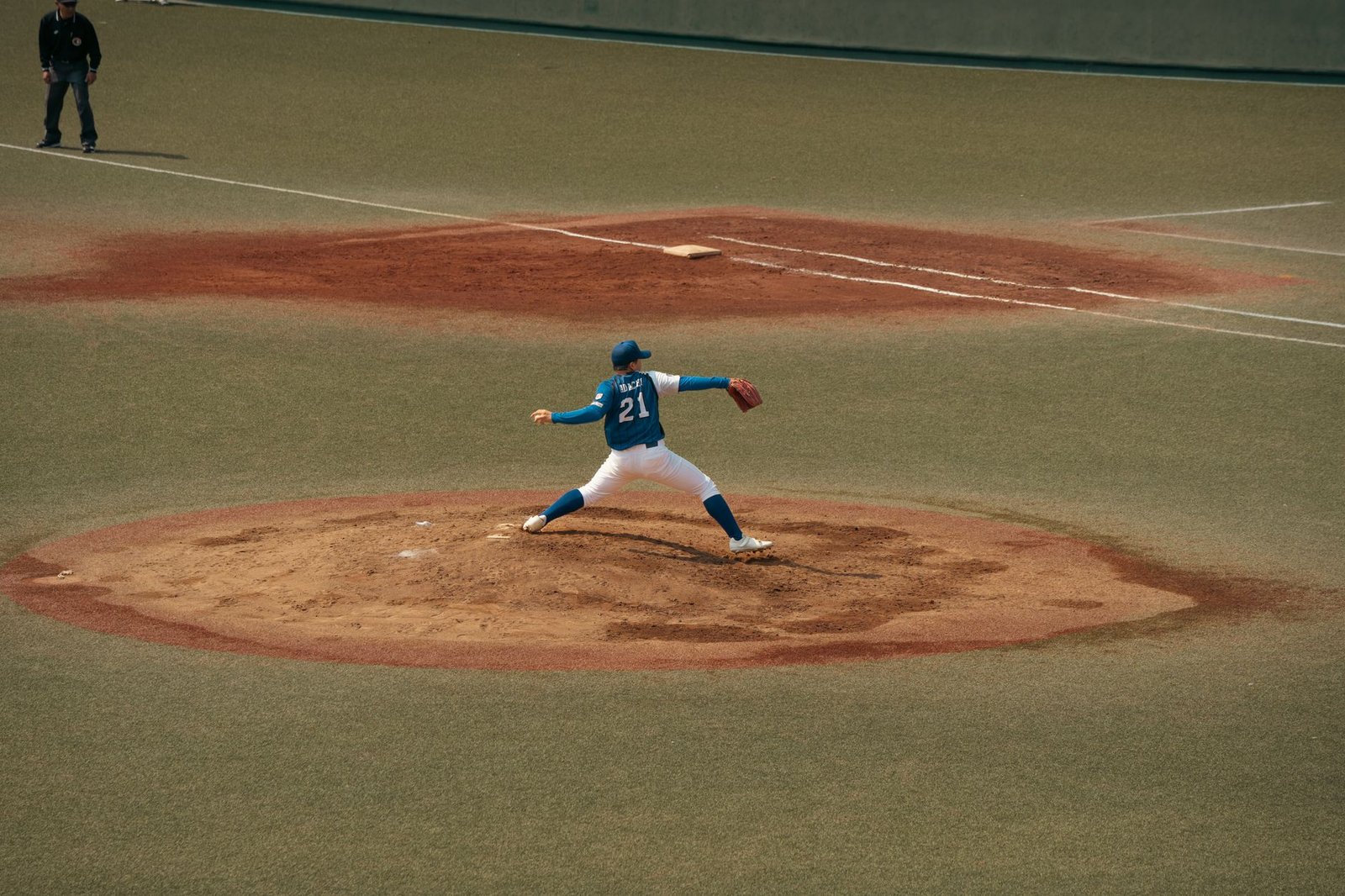
Jose Soriano is quietly becoming one of the more interesting names floating around MLB trade discussions right now. The 26-year-old Angels right-hander sits comfortably in the top tier of starters most contenders would love to have — and Los Angeles, sitting well outside playoff contention, has every reason to listen to offers.
But here’s the question everyone’s actually asking: would you gut your pitching pipeline to get him and Reid Detmers in a package deal? That’s not a simple yes or no.
What Jose Soriano actually brings to a contender
Soriano’s stuff is genuinely elite. His fastball sits mid-to-upper 90s and plays up because of exceptional ride and extension — the kind of pitch that makes advanced hitters look foolish at the top of the zone. He’s also flashed a hammer curveball that grades out as a plus offering by most scouting metrics.
What’s kept scouts cautious is availability. Soriano has a real injury history, and any team writing a big prospect check needs to price that in honestly. When he’s on the mound, though, he profiles as a legitimate mid-rotation arm with ace-adjacent upside — which, in today’s trade market, is exactly the kind of asset that commands a steep return.
He’s also under team control beyond this season, which separates him from your typical rental. That control is probably the biggest reason the Angels’ asking price is reportedly high. You’re not just buying two months of starts. You’re buying years.
Reid Detmers — the overlooked half of this deal
Detmers tends to get lost in the Soriano conversation, which is frankly a little unfair to him. He’s a left-handed starter with a deceptive delivery, solid command, and the ability to miss bats without a blazing fastball — think crafty, not electric.
His value isn’t box-score obvious. Detmers won’t dazzle anyone with velocity, but he consistently keeps hitters off-balance and eats innings without imploding. For a contender that needs rotation depth more than a marquee arm, he might actually be the more valuable piece depending on context.

Stack Soriano and Detmers together, and you’re looking at a legitimate one-two punch — a power arm and a crafty lefty, both under control. Acquiring both in one trade is the kind of rotation fix most front offices would kill for at the deadline.
The prospect cost problem — and why it should give you pause
Here’s the thing. Trading a bunch of pitching prospects for this package isn’t just expensive — it could be self-defeating.
Pitching prospects are notoriously volatile. Most of them don’t pan out at the MLB level. But trading multiple arms from your system in a single deal dramatically raises your floor if any of those deals go sideways. You’re not just losing one bet. You’re losing the whole table.
Consider what multiple top pitching prospects represent: future rotation depth, trade chips down the road, cost-controlled assets for years. Dealing all of that for two Angels starters — one with injury concerns and one who’s more solid than spectacular — requires a very specific set of circumstances to make sense.
Those circumstances being: you’re a legitimate World Series contender right now, your current rotation is one arm short of dangerous, and your farm system has enough redundancy that losing three or four prospects doesn’t leave you exposed for the next half-decade. If all three boxes are checked, maybe you pull the trigger.
What the Jose Soriano market tells us about the deadline
The fact that Soriano’s name is generating this much buzz tells you something about how thin the starting pitcher market is shaping up to be. When teams are seriously debating whether to mortgage chunks of their farm for a guy with durability questions and his rotation-mate, supply is clearly not meeting demand.
Expect the Angels to play this patiently. They know what they have. And contenders desperate for rotation help tend to overpay — which, if you’ve been paying attention to July trade history, shouldn’t surprise anyone.
Soriano and Detmers could absolutely help a contender win a playoff series. Whether the prospect cost makes that a smart long-term decision depends entirely on how much of a window your team actually has right now.
Sources and reporting
This article uses MLB.com’s Angels trade-deadline report which identifies José Soriano and Reid Detmers among the club’s frequently discussed trade candidates and provides their contract context.
Rumor, discussion or completed transaction?
Soriano and Detmers being discussed as possible trade candidates does not mean the Angels have agreed to move either pitcher, demanded a particular prospect package, or offered them together. Trade-deadline reporting changes quickly, and phrases such as “interest,” “available,” and “asking price” describe different levels of information.
A better way to evaluate the price
Readers comparing a proposed return should look beyond prospect rankings. Team control, remaining salary, option years, injury history, recent workload and the acquiring club’s competitive window all affect value. For pitchers, medical information that is not public can materially change a front office’s calculation.
- Confirm whether the report identifies named teams or merely general interest.
- Check MLB’s transaction wire before treating a proposal as completed.
- Separate an analyst’s hypothetical package from a package reported by a sourced journalist.
- Revisit the analysis after the deadline; a non-trade may indicate the offers never met the Angels’ valuation, not that talks never occurred.
This article is therefore best read as roster-value analysis. It is not reporting that a Soriano–Detmers package has been formally offered or that any contender has agreed to the speculative prospect cost discussed above.

Leave a Reply