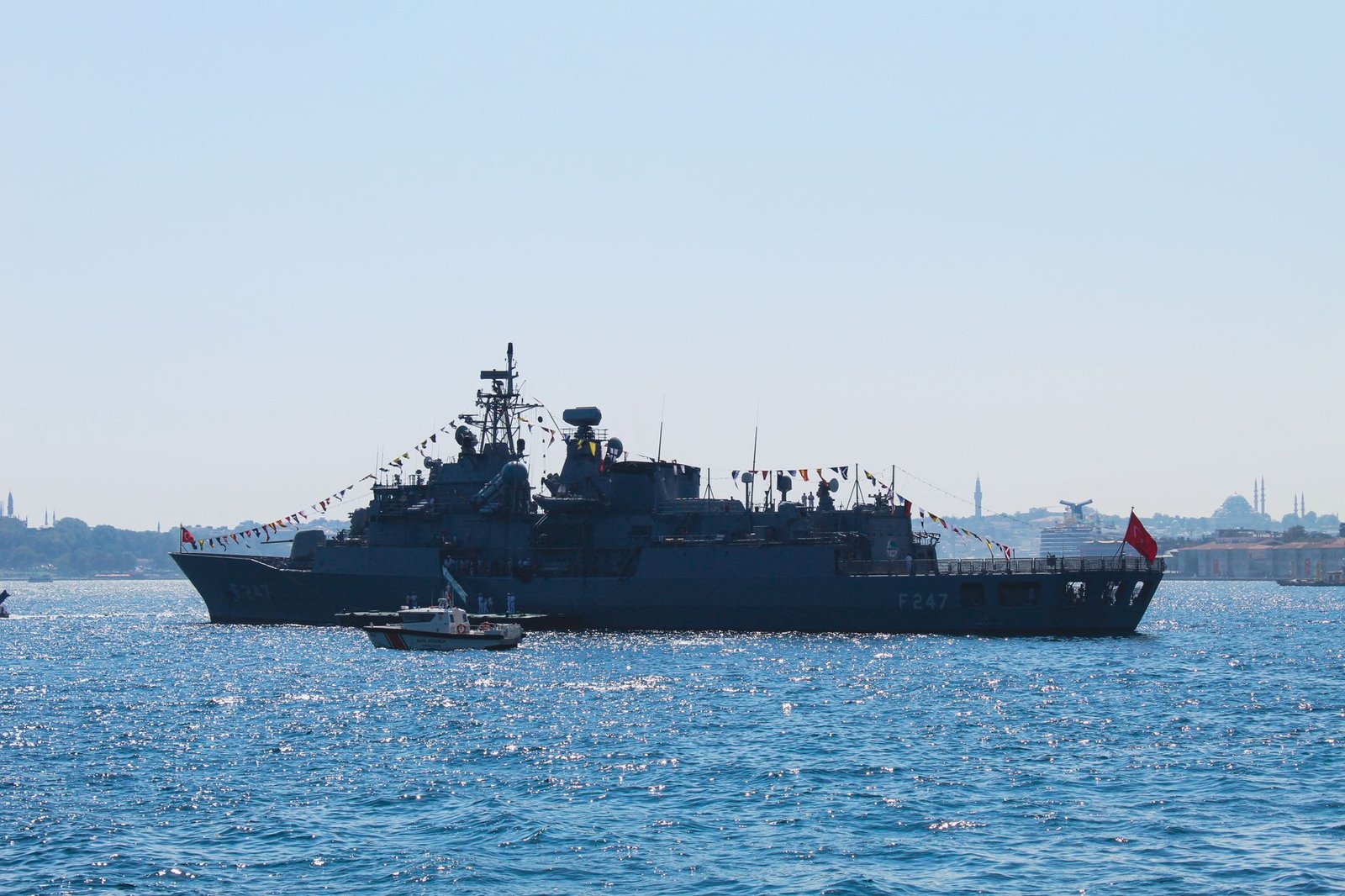
About 20% of the world’s oil passes through a narrow strip of water between Iran and Oman — the Strait of Hormuz, a chokepoint so strategically loaded that whoever controls it effectively holds a hand on the global economy’s throat. For decades, Iran has used that geography as leverage. Now, that leverage is eroding.
The latest flashpoint: President Trump posted a map on social media appearing to label the Strait of Hormuz as U.S. territory. The post was short on explanation and long on provocation, which is, frankly, kind of the point.
What Trump’s Strait of Hormuz map actually signals
The map itself isn’t a legal claim or a formal policy document — nobody in the State Department is filing paperwork to annex Iranian waters. But dismissing it as just a meme would be a mistake. Trump has a pattern of using provocative geographic imagery to telegraph negotiating positions, as anyone who watched the Greenland situation unfold already knows.
Here’s the thing: posting that map sends a direct message to Tehran at a moment when Iran is already operating from a position of weakness. It says the U.S. doesn’t recognize Iran’s historical claim to dominance over the strait — and is willing to say so loudly and publicly. Whether or not it’s legally coherent, it’s psychologically aggressive in exactly the way Trump prefers.
Iran’s shrinking ability to threaten the Strait of Hormuz
Iran has spent years building its Strait of Hormuz strategy around one core threat: close it. Mine the waters, target tankers, deploy fast-attack boats from the Revolutionary Guard’s naval forces. That threat used to carry real weight.
But look closer and several things have changed. U.S. naval presence in the region has been reinforced significantly since late 2023, partly in response to Houthi attacks on commercial shipping in the Red Sea. The same military infrastructure that responded to those threats sits within striking distance of Iranian naval positions. Iran’s allies — Hamas, Hezbollah, the Houthis — have all taken significant blows over the past 18 months, weakening the broader network Tehran relied on to project regional power.
Meanwhile, Iran’s economy is under severe strain from sanctions. Funding a credible military deterrent in the strait requires money the government increasingly doesn’t have. Their naval hardware is aging. Their ability to sustain a prolonged confrontation with U.S. forces in the strait is, by most serious military assessments, limited.
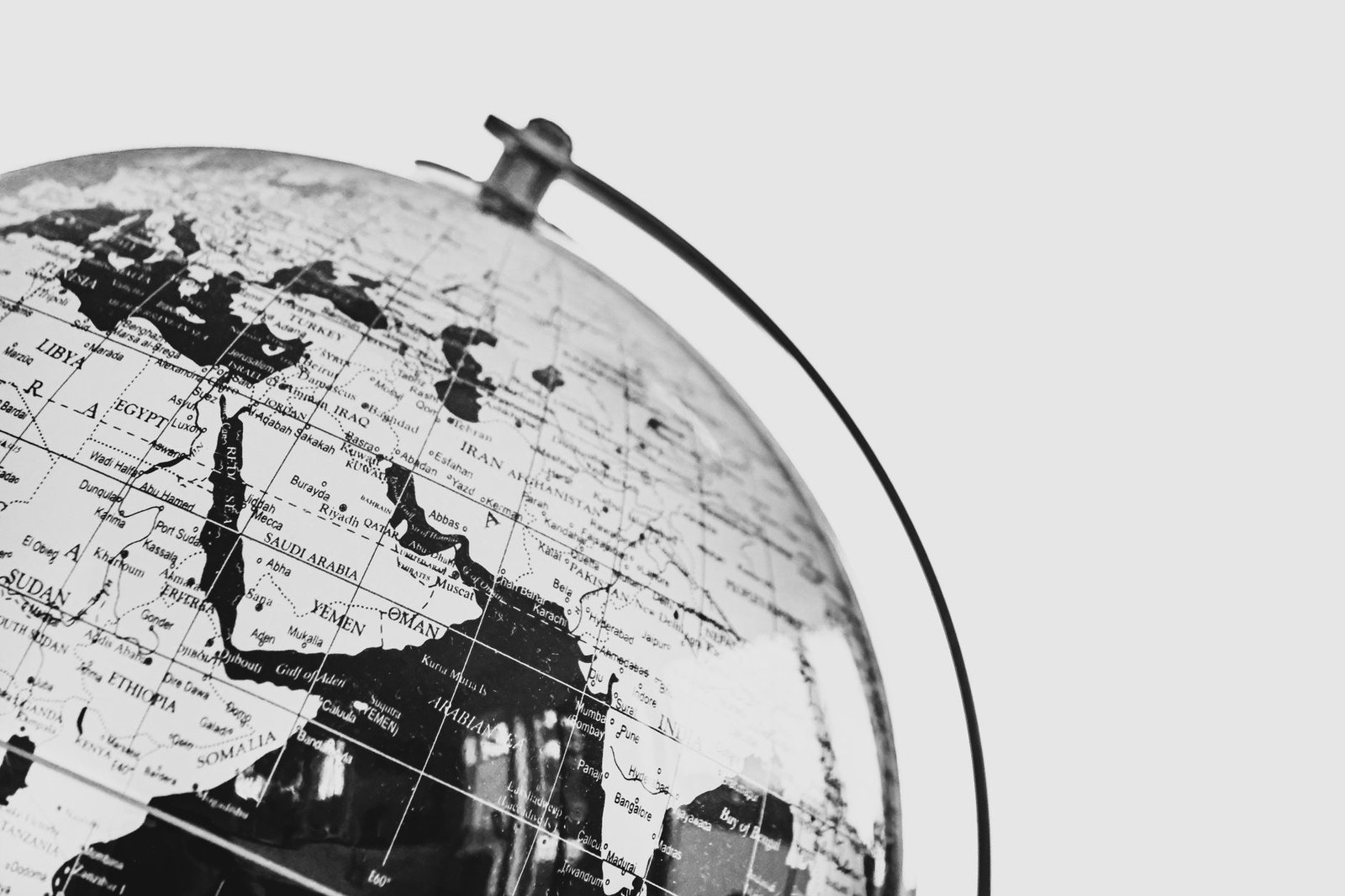
Why the strait still matters — and who else is watching
Saudi Arabia, the UAE, and other Gulf states have been quietly investing in pipeline infrastructure specifically designed to bypass the Strait of Hormuz. The Abu Dhabi Crude Oil Pipeline, for instance, can move roughly 1.5 million barrels per day directly to the Gulf of Oman without touching Iranian-controlled waters. That matters because it means a Hormuz closure — once Iran’s nuclear option in an economic standoff — would hurt global markets far less than it would have a decade ago.
China is watching all of this very carefully. Beijing imports more Gulf oil than any other country, and any instability in the strait directly threatens its energy security. China’s reluctance to openly back Iran in a confrontation with the U.S. over Hormuz isn’t ideological — it’s economic self-interest. That’s a significant constraint on Tehran’s room to maneuver that rarely gets the attention it deserves.
What comes next for Iran and the Strait of Hormuz
None of this means Iran is powerless. A desperate or cornered Iran is arguably more dangerous than a confident one, and the Revolutionary Guard doesn’t need a functioning economy to plant a mine. The risk of miscalculation — a skirmish that escalates faster than anyone intends — remains real.
Trump’s map post will generate outrage cycles and diplomatic protests. That’s noise. The signal underneath it is that Washington senses Iran’s position in the strait is weaker than it’s been in years — and has decided this is the moment to press that advantage. Whether that calculation leads somewhere productive or somewhere dangerous is the question nobody can answer yet.

Leave a Reply