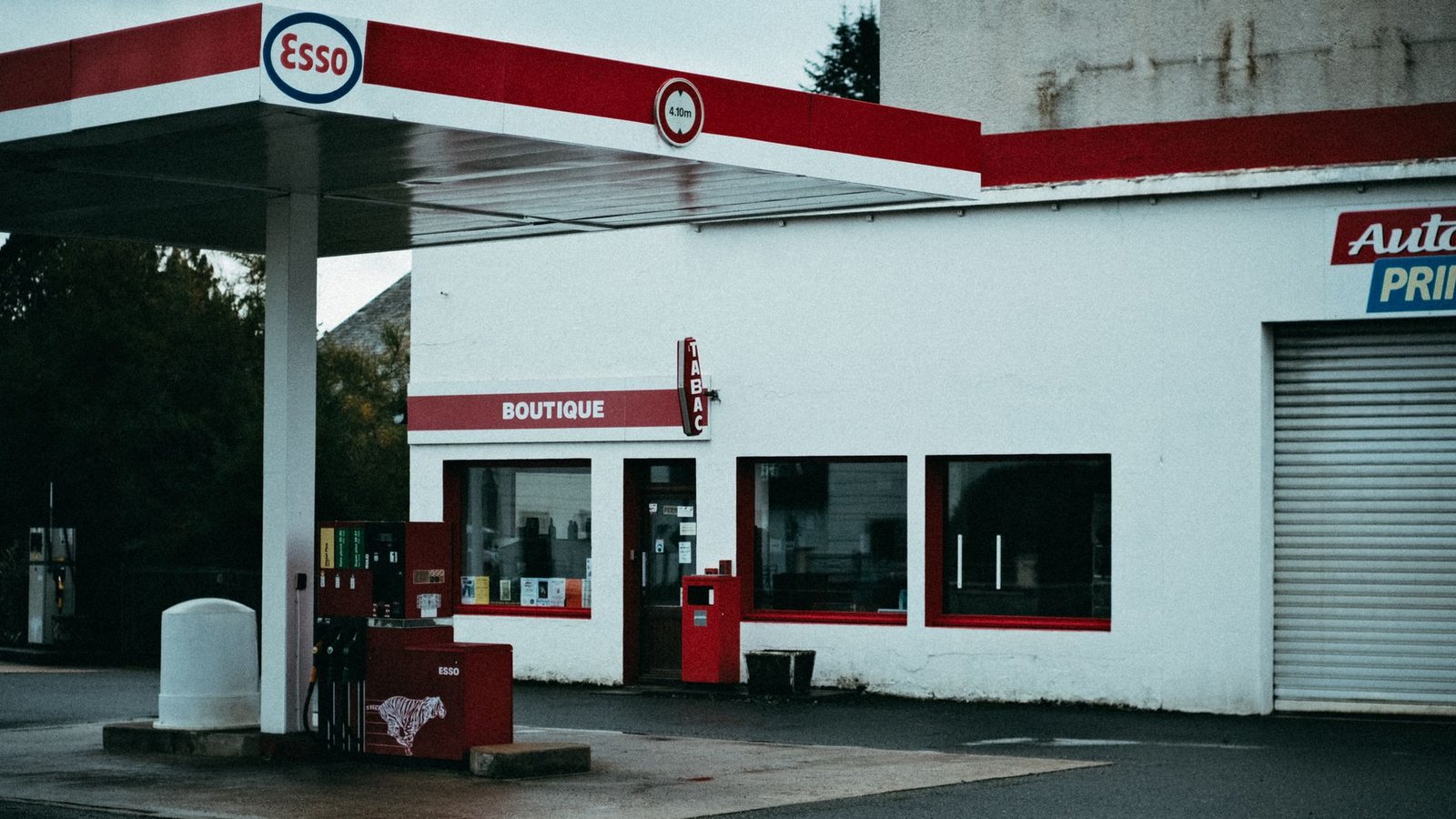
Nobody plans their day around a convenience store, and that’s exactly the point. You stop in for gas, a coffee, a phone charger, or a snack you didn’t know you needed until you saw it by the register. The whole business model is built around speed and habit rather than destination shopping, which makes it one of the more overlooked but essential pieces of American retail. It’s also an industry where brand identity carries enormous weight, something recently underscored by news that Buc-ee’s and a company called Born United have reached a settlement in a trademark infringement lawsuit. The specific terms haven’t been publicly detailed, but the case is a useful reminder of just how much convenience store chains guard their look, their mascots, and their reputations.
What Actually Sets a Convenience Store Apart
A convenience store isn’t just a small supermarket. The layout, the inventory, and even the lighting are designed around a different goal: getting people in and out fast while still tempting them to spend a little more than they intended. That’s why the coffee station and the hot food case are almost always near the front, and why impulse items like gum, energy drinks, and lottery tickets sit right at the checkout counter.
Most convenience stores fall into a few broad categories:
- Fuel-anchored stores attached to a gas station, where fuel margins are thin and the real profit often comes from what’s sold inside.
- Standalone urban stores that rely on foot traffic rather than car traffic, common in dense neighborhoods and near transit stops.
- Travel-center style stores, the larger format chains built for road trippers, with extensive food counters, restrooms, and merchandise well beyond snacks.
That last category is where a chain like Buc-ee’s fits. Its stores are known for their scale, sitting closer to a small department store than a typical corner shop, with an emphasis on branded merchandise, novelty items, and a mascot that customers instantly recognize. That recognizability is valuable, and it’s also what makes trademark protection such a serious matter for companies operating at that size.
Why Trademark Fights Matter More in This Industry Than You’d Think
Convenience stores live and die by repeat visits, and repeat visits depend heavily on instant recognition. A driver glancing at highway signage while deciding whether to exit isn’t reading fine print. They’re responding to a logo, a color scheme, a mascot, a sense of familiarity built over dozens of past visits. When another business adopts a similar look, even unintentionally, it can create real confusion about who’s actually behind the store someone is pulling into.
That’s the backdrop for the reported settlement between Buc-ee’s and Born United. Trademark lawsuits in retail generally center on questions like whether a logo, color palette, or mascot is likely to confuse a reasonable customer, and whether that confusion could hurt the original brand’s reputation or dilute what makes it distinctive. Settlements in these cases often include changes to signage, packaging, or branding going forward, though as of now the public details of this particular resolution remain limited. What’s clear is that the case fits a broader pattern: as certain convenience store brands grow into recognizable cultural landmarks along highways, protecting that identity becomes as important to the business as the merchandise on the shelves.
For smaller or newer convenience store operators, this kind of dispute is also a practical lesson. Building a brand that stands out from established chains isn’t just a marketing decision, it’s a legal one. Overlapping colors, similar cartoon mascots, or near-identical store layouts can invite exactly the kind of scrutiny that ends up in court.
The Everyday Economics Behind What’s on the Shelf
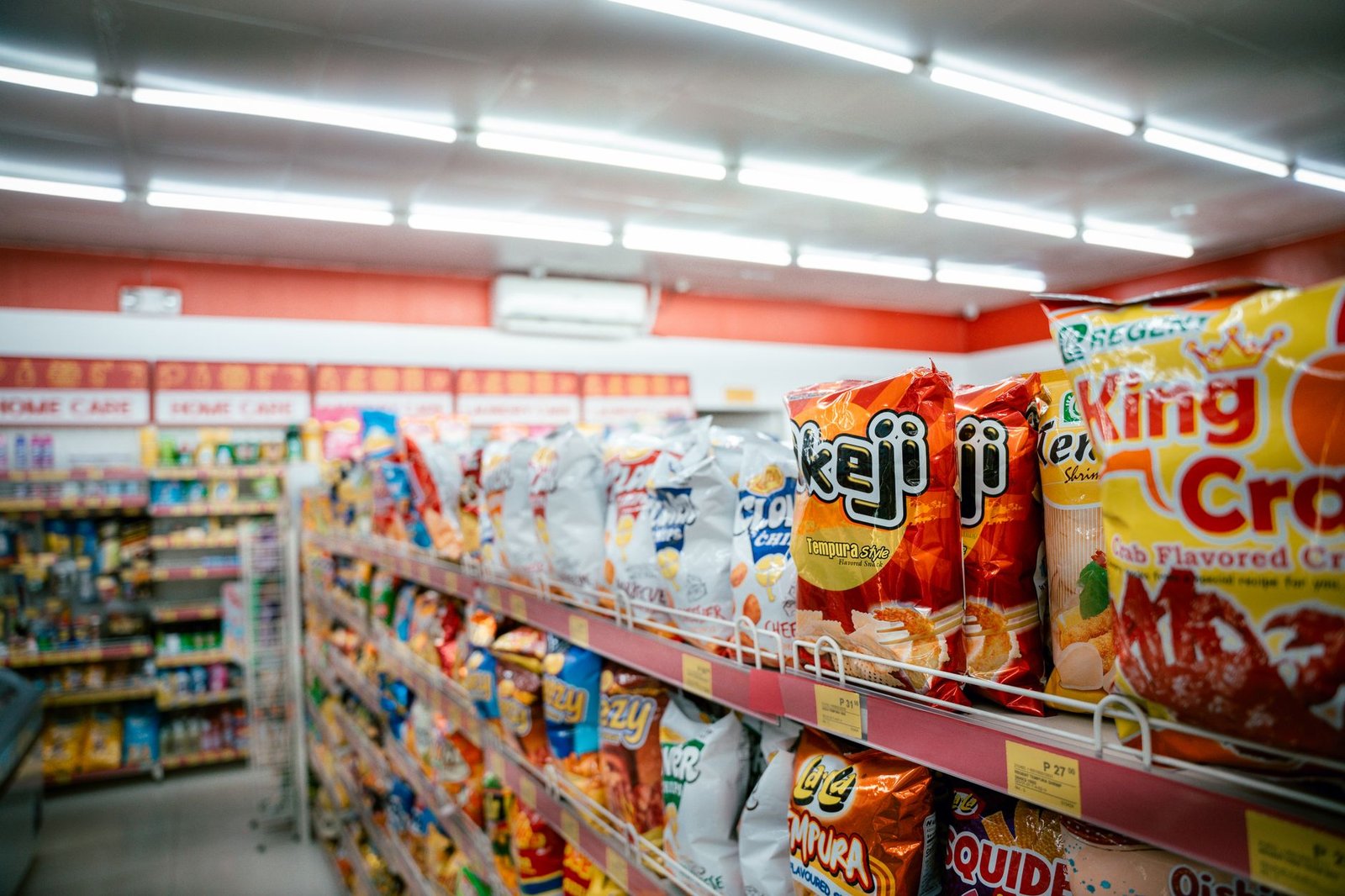
Walk into almost any convenience store and you’ll notice the same basic pattern: cold drinks near the entrance, snacks in the middle aisles, and prepared food somewhere toward the back or near a dedicated counter. That arrangement isn’t random. Cold beverages and prepared food typically carry higher margins than packaged snacks, and stores position them to catch shoppers who came in for something small and end up leaving with more.
Fuel, ironically, is often the least profitable part of the business for stores attached to gas stations. Margins on gasoline can be razor thin and highly sensitive to wholesale price swings, which is a big reason so many fuel-adjacent convenience stores lean so heavily on inside sales. A cup of coffee, a hot dog from the roller grill, or a bag of chips grabbed on the way to the register often contributes more to the bottom line than the fuel that got the customer to stop in the first place.
This is also why larger chains invest so heavily in food programs, branded merchandise, and even restrooms maintained to a higher standard than a typical gas station. Comfort and reliability keep people coming back, and repeat customers matter more to a convenience store’s long-term health than any single big sale.
Getting More Out of a Quick Stop
Most people treat a convenience store visit as an afterthought, but a little awareness can make these stops noticeably more useful and less costly.
- Compare fountain drink and coffee sizes before you buy. Larger sizes are sometimes only marginally more expensive than smaller ones, but not always, so it’s worth a quick glance at the posted pricing rather than assuming.
- Check expiration dates on refrigerated grab-and-go items. Convenience store cold cases turn over quickly, but not instantly, and dates can slip by unnoticed in a rush.
- Use loyalty apps if the chain offers one. Many convenience store brands, especially the larger regional and national chains, offer app-based discounts on fuel or in-store purchases that are easy to miss if you’re just walking in.
- Watch for bundled deals at the register, like a discounted price when a snack and a drink are purchased together. These are often posted on small signs near the checkout rather than on the shelf itself.
- Keep cash or a backup card handy for locations where card networks or payment systems occasionally go down, which happens more often at smaller, independently run stores than at large chains.
None of this requires much effort, but it adds up over dozens of quick stops a year, especially for anyone who drives frequently or relies on a convenience store as a regular part of a commute.
Conclusion
Convenience stores occupy a strange but important place in daily life. They’re rarely the destination, yet they shape how millions of people fuel up, grab a meal, or take a break during a long drive. The recent settlement between Buc-ee’s and Born United is a reminder that behind the snacks and the fuel pumps, there’s a serious business of protecting identity, because in this industry, recognition is often the difference between a customer pulling in or driving past.

Leave a Reply