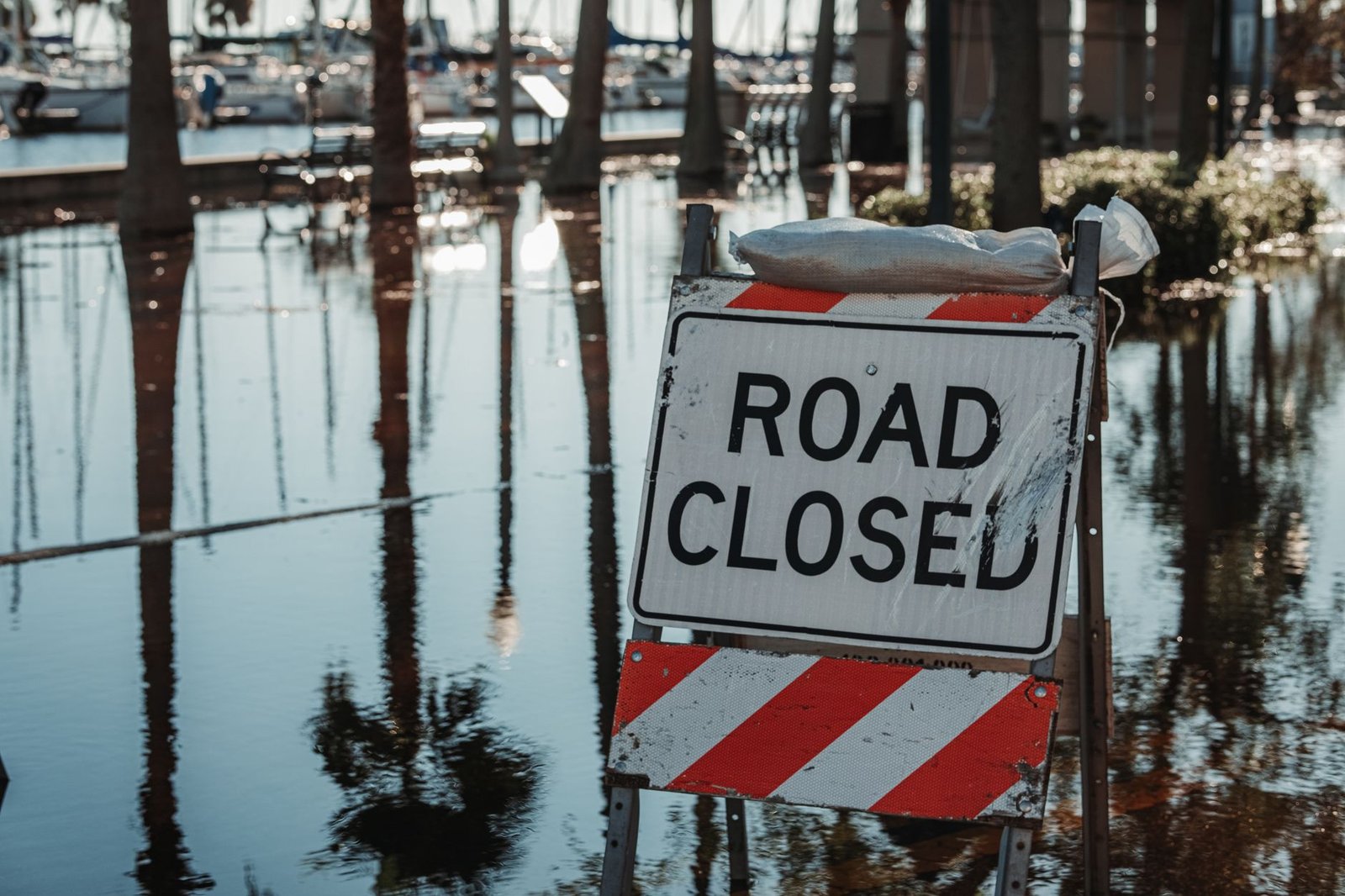
Hawaii doesn’t get direct hurricane hits often — the geography and ocean temperatures usually work in the islands’ favor. But Hurricane Lala didn’t need a direct strike to cause serious damage. Flooding triggered by the storm has isolated at least one town on Hawaii Island and led to the dramatic rescue of a resident who was swept away by rushing floodwaters.
What Hurricane Lala actually did to Hawaii Island
Lala’s moisture-laden outer bands dumped relentless rain across parts of Hawaii Island, and the results were swift and severe. Roads washed out. At least one community was left without a safe land route in or out — the kind of isolation that turns a weather emergency into a logistics nightmare for first responders and residents alike.
The swept-away resident, whose name hasn’t been publicly confirmed as of this writing, was rescued after being carried by floodwaters — a reminder that it takes only inches of fast-moving water to knock a person off their feet. Emergency crews reached them in time. Not every storm story ends that way.
Why Hawaii flooding hits harder than most people expect
Here’s the thing about Hawaiian geography that the mainland weather coverage tends to gloss over: the terrain makes flooding uniquely dangerous. Steep volcanic slopes channel rainwater fast — what falls over hours funnels into valleys and low-lying roads in minutes. There’s almost no gradual buildup. Residents get less warning than they would on flat terrain.
Hawaii Island — the Big Island — is also the most topographically extreme of the main islands. Elevation swings of thousands of feet within short distances mean one neighborhood can be bone dry while another is underwater. That patchwork of conditions complicates emergency response and makes blanket evacuation orders both difficult and politically tricky, frankly, for local officials trying not to cry wolf.
The isolation problem: when a town becomes an island within an island
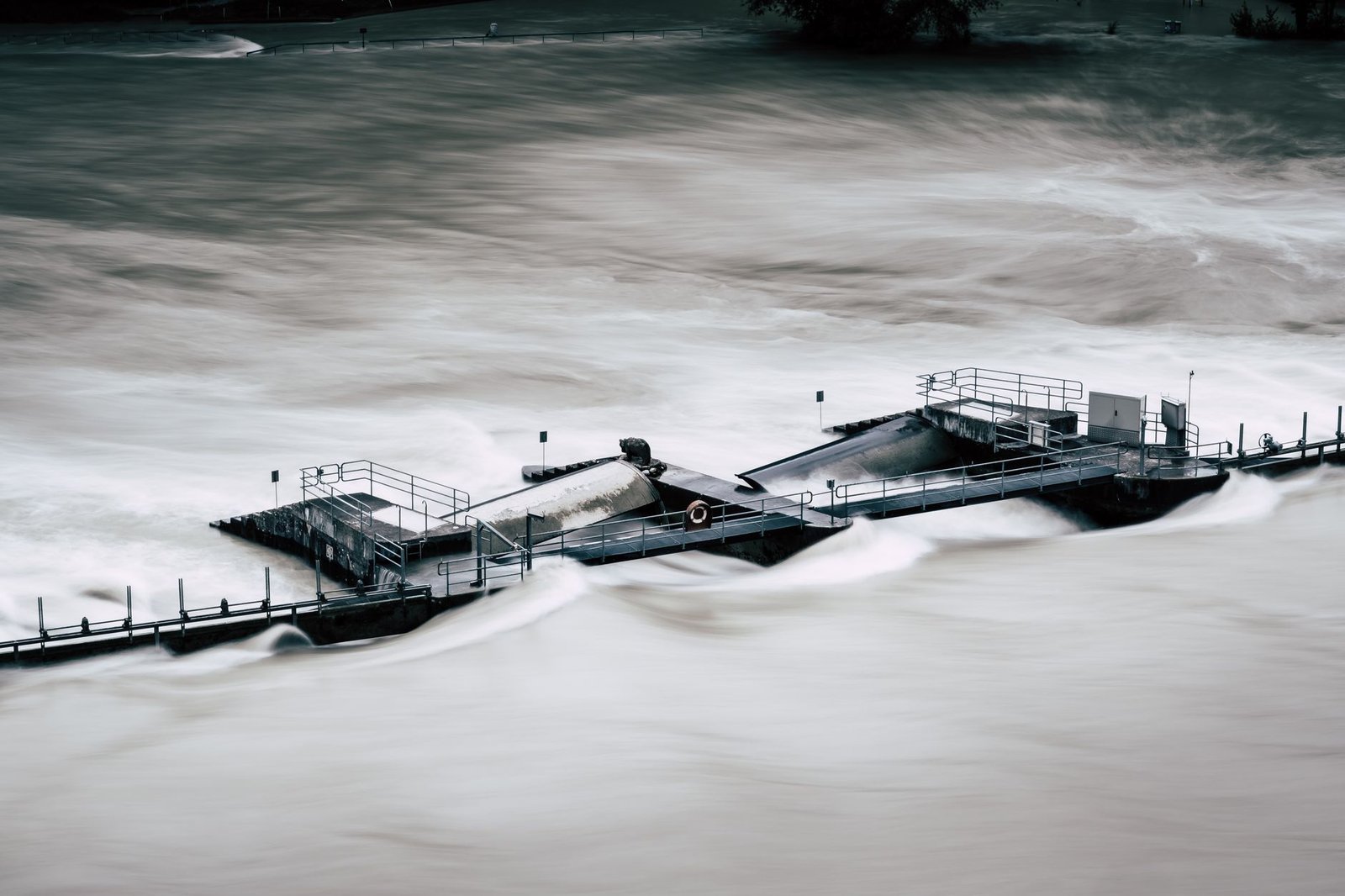
Road isolation is arguably the most underreported danger in Hawaiian flood events. Unlike urban areas on the mainland where alternate routes usually exist, many Hawaii Island communities sit at the end of a single coastal or valley road. Wash that out, and you’ve effectively marooned the population.
Supply chains break fast. Medical emergencies that would be a 10-minute drive anywhere else become helicopter extractions. Elderly residents and those without emergency supplies are suddenly in genuine peril — not from the water itself, but from the days-long aftermath. What most people miss is that the acute danger of the flood and the chronic danger of isolation are two completely separate problems requiring two completely separate responses.
State and county emergency management agencies have dealt with this scenario before, most notably during the 2018 Kilauea eruption and lava flow crisis, which also severed critical roadways. But preparedness and actual execution are different things, and the speed of Lala’s flooding will test how much those agencies have built on past lessons.
What comes next for affected Hawaii Island residents
Recovery timelines for flood-isolated communities in Hawaii tend to stretch longer than officials initially estimate. Road repairs on volcanic terrain are complicated — the ground beneath damaged pavement is often compromised in ways that aren’t immediately visible, and rushing repairs can lead to secondary collapses.
Residents in affected areas should expect continued access disruptions even as the rain stops. Lala’s moisture doesn’t vanish immediately; saturated hillsides remain landslide risks for days after a storm passes. The National Weather Service and Hawaii Emergency Management Agency are the authoritative sources for current road status and shelter locations — local officials will post updates as conditions allow.
Hurricane Lala may not have made landfall in the traditional sense, but Hawaii Island is feeling its full weight right now. Whether emergency infrastructure holds up under that pressure — and how quickly isolated residents can be reconnected to basic services — will be the real story over the next 72 hours.

Leave a Reply