
Online shopping scams have gotten harder to spot because the people running them have gotten better at their craft. Gone are the days when a fraudulent website looked obviously sloppy, with broken English and pixelated logos. Today’s fake stores can look nearly identical to legitimate retailers, complete with polished product photos, working customer service chat windows, and fake reviews that read like the real thing. The good news is that most scams still share a handful of tell-tale patterns, and once you know what to look for, they become much easier to catch before you hand over your money or your data.
The Warning Signs Hiding in Plain Sight
The first clue is almost always the price. If a pair of noise-cancelling headphones that normally cost a significant amount is suddenly listed at a fraction of that price, with no explanation like a clearance sale or discontinued model, that’s worth pausing on. Scammers rely on the excitement of a deal to short-circuit the part of your brain that would otherwise ask questions.
Urgency is the second big signal. Countdown timers claiming “only 3 left in stock” or banners insisting the sale “ends in 10 minutes” are designed to make you buy before you think. Legitimate retailers use urgency tactics too, but scam sites tend to combine them with prices that don’t make sense and stock counters that reset every time you refresh the page.
- Unusually steep discounts on brand-name items with no clear reason
- Countdown timers that reset or don’t match the actual page content
- Pressure language like “last chance” or “limited to first 50 buyers” repeated across multiple pages
- A brand-new website with no history, selling items from many unrelated categories at once
That last point matters more than people realize. A store that sells kitchen gadgets, dog leashes, phone cases, and jewelry all at once, with no clear specialty, is often a dropshipping operation using generic templates rather than an actual business with inventory. That doesn’t automatically mean it’s a scam, but it raises the odds enough to warrant extra scrutiny.
How Scam Websites Mimic Real Stores
Modern scam sites borrow heavily from real e-commerce design. They’ll use the same layout conventions as major retailers, similar fonts, and stock photography that looks convincing at a glance. Some even copy product descriptions word for word from legitimate listings. This is why “it looks professional” is no longer a reliable safety signal on its own.
What’s harder to fake is depth. Click around a site before buying anything. Does the “About Us” page actually say anything specific, or is it vague filler about “passion for quality”? Is there a real return policy with actual terms, or just a single sentence claiming “100% satisfaction guaranteed” with no details on how returns work? Try the customer service contact information. A phone number that doesn’t connect, or an email address that bounces, tells you a lot.
Reviews deserve a skeptical eye too. Scam sites often display reviews directly on the product page with no way to verify they came from actual buyers. If every review is five stars, uses similar phrasing, and was posted within the same short time window, that’s a pattern worth noticing. Genuine review sections usually include some three-star complaints about shipping delays or sizing issues, because real customers have mixed experiences.
Another giveaway is the checkout process itself. Some fraudulent sites let you add items to a cart and even enter payment details, but the site was really just harvesting your card number and personal information without ever intending to ship anything. Others do send something, but it’s a cheap counterfeit that bears little resemblance to what was advertised, which is its own kind of scam even though a product technically arrives.
Payment and Communication Red Flags
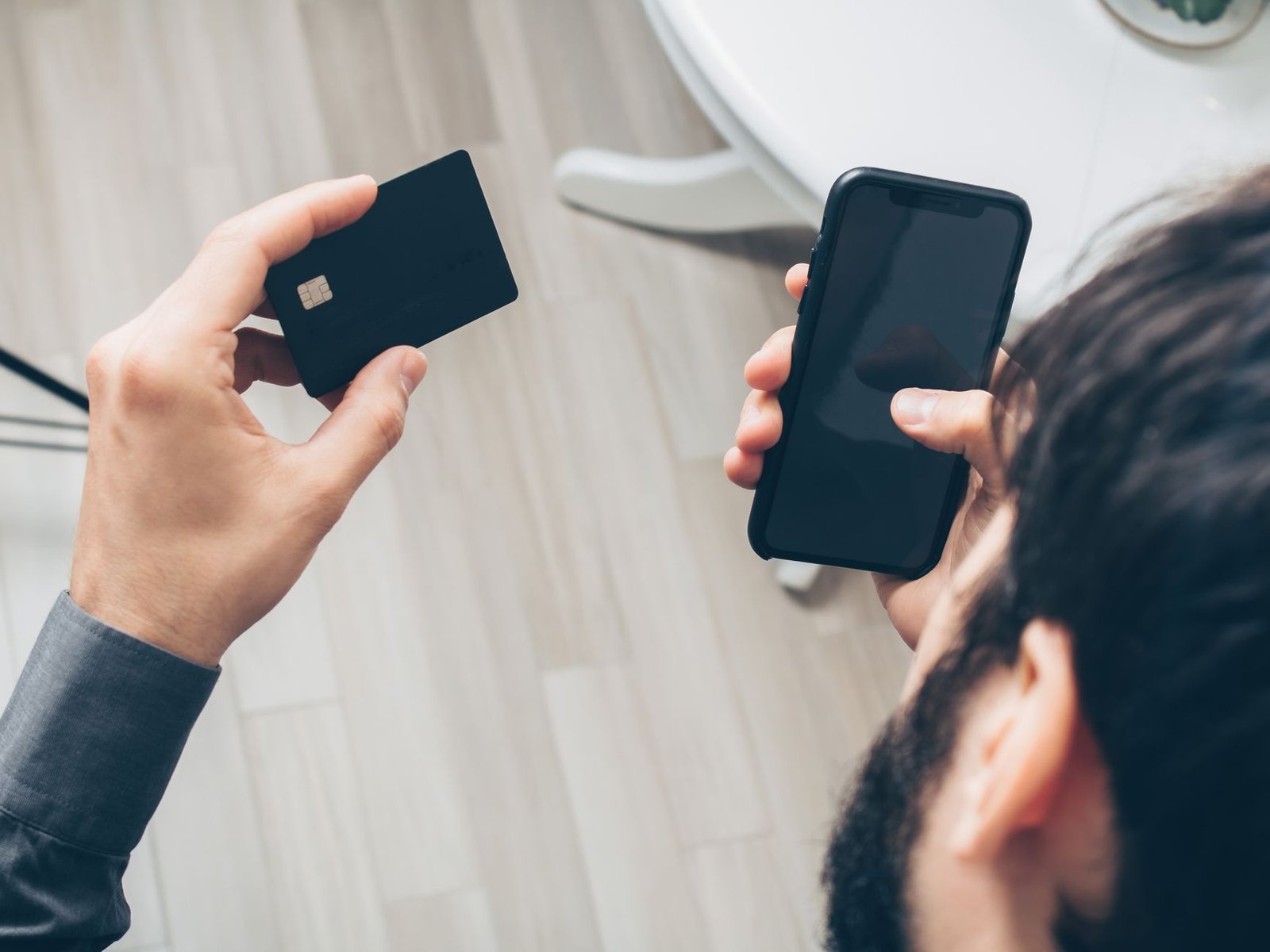
How a site wants you to pay tells you almost everything about its intentions. Legitimate retailers accept credit cards and established payment services because those come with built-in fraud protection and dispute processes. If a seller insists on wire transfer, cryptocurrency, or gift cards as the only payment option, that’s one of the clearest signals of a scam. These payment methods are difficult or impossible to reverse once sent, which is exactly why scammers prefer them.
Be cautious of sellers who move the conversation off the platform where you found them. If you’re browsing a marketplace or social media ad and the seller asks you to continue the transaction through a personal messaging app or a separate website, you lose whatever protections that original platform offered. This tactic shows up often in scams involving concert tickets, rental listings, and marketplace “deals” that seem too easy.
Watch for these patterns in seller communication:
- Vague or evasive answers when you ask specific questions about shipping times or product materials
- Pressure to complete payment quickly, often paired with claims that other buyers are interested
- Requests to pay through an unusual method “because of a processing issue” with normal payment options
- Messages full of small grammar and spelling errors, especially in supposedly official communications
- An email domain that doesn’t match the business name at all, or uses a free email service instead of a company address
Fake shipping confirmation emails are another common trick. These often arrive after a purchase and include a tracking link that leads to a convincing but fraudulent courier website, sometimes asking you to pay a small “customs fee” or “redelivery charge” to release your package. Real couriers rarely ask for surprise fees through an email link, and when they do, the request typically comes through the courier’s actual verified app or website, not a link buried in an unsolicited email.
What To Do Before You Click “Buy”
A few habits go a long way toward protecting yourself without turning every purchase into a research project. Search the store’s name along with words like “reviews” or “complaints” before buying, especially if you’ve never heard of the brand. If a wave of similar complaints from the same time period shows up, that’s meaningful information.
Check how long the website has been around if you can find that information through a basic search, and look at whether the site has a working physical address or verifiable business registration. Use a credit card rather than a debit card when possible, since credit cards generally offer stronger fraud protection and you’re not pulling directly from your bank account if something goes wrong.
Trust your gut when something feels slightly off, even if you can’t articulate exactly why. That instinct is often picking up on small inconsistencies, like a logo that’s slightly different from the one you remember, or a checkout page that redirects through an unfamiliar domain right before payment. It’s worth taking thirty extra seconds to look closely rather than rushing through a purchase you might regret.
Staying a Step Ahead
No single red flag guarantees you’ve found a scam, and no single green flag guarantees safety. What matters is the overall pattern: unrealistic pricing, thin website content, unusual payment demands, and pressure tactics tend to cluster together on fraudulent sites. Learning to notice two or three of these signals at once, rather than dismissing each one individually, is what separates a cautious shopper from an easy target. The internet rewards a little skepticism, and a habit of checking before you click will serve you well no matter how convincing the next fake storefront turns out to be.

Leave a Reply