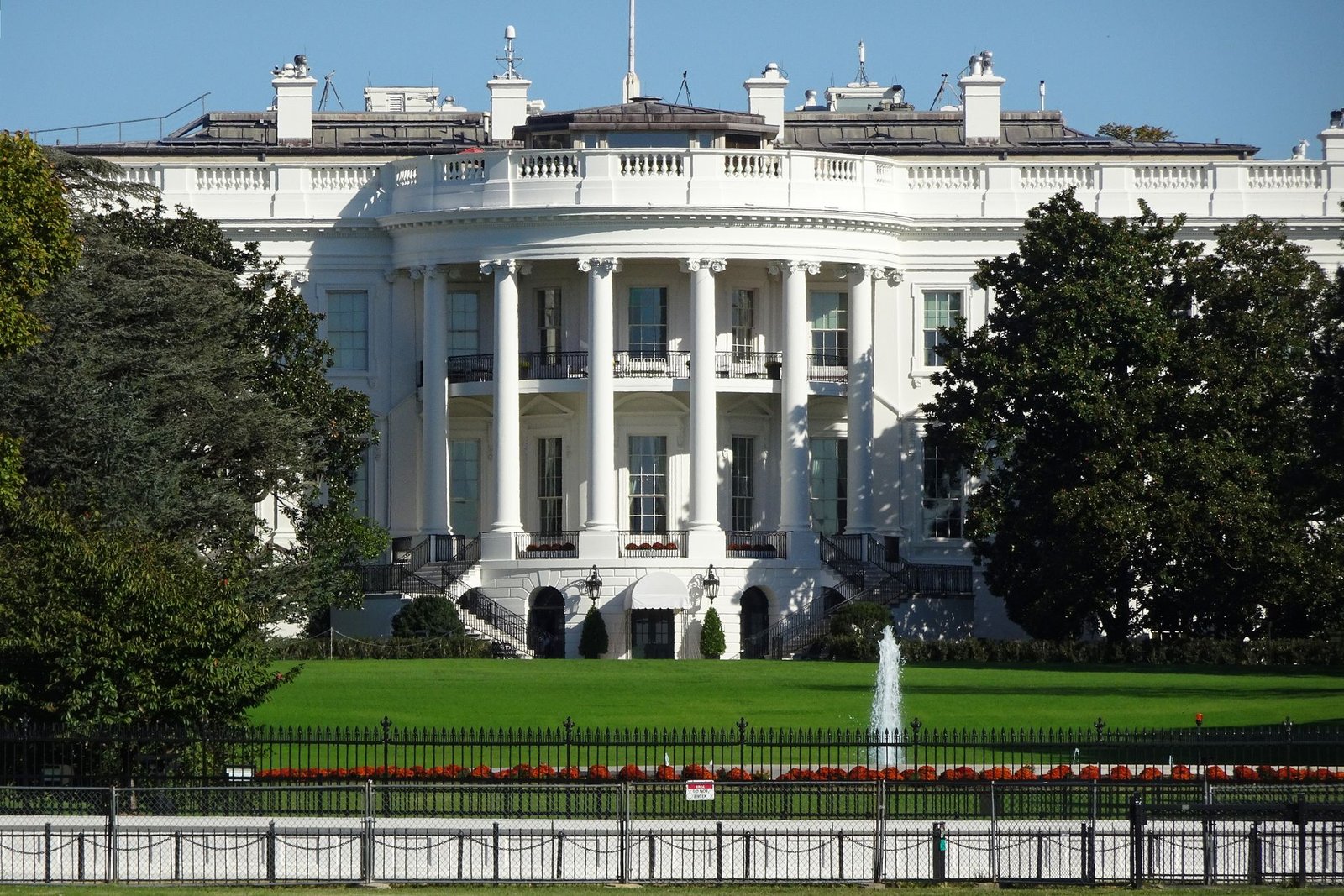
Donald Trump has floated a lot of ideas about reshaping Washington — but his latest proposal is literal. The president has publicly called for building a military complex on White House grounds, a move he’s framing as long overdue modernization. The backdrop: federal courts have already moved to block a separate ballroom renovation project he’d been pushing for, leaving him looking for a different path forward.
What Trump is actually proposing for the White House military complex
Trump’s vision, as he’s described it, involves constructing a dedicated military facility on or adjacent to White House grounds — the kind of setup that would support ceremonial and operational military functions closer to the president’s residence and primary workspace. He’s suggested the current White House setup doesn’t adequately reflect the stature of American military power. Whether that’s a genuine infrastructure concern or a preference for spectacle is, frankly, a matter of perspective.
Details remain thin. No formal architectural plans have been made public, and the administration hasn’t released a price tag or timeline. What’s clear is that Trump has tied this push, at least rhetorically, to his frustration with courts blocking his earlier renovation ambitions.
The blocked ballroom — and why courts stepped in
Before the military complex talk picked up, Trump had been pursuing plans to add a ballroom to the White House complex. Courts intervened, with legal challenges centered on historic preservation concerns and questions about the proper approval process for altering a federally protected landmark. The White House is, after all, listed on the National Register of Historic Places and subject to oversight that doesn’t bend easily for any sitting president — regardless of party.

That matters because the same legal and regulatory framework that stopped the ballroom would almost certainly apply to a military complex. Any significant new construction on or near White House grounds requires coordination with the National Capital Planning Commission, the Commission of Fine Arts, and potentially Congress, depending on funding. Trump has run into this wall before, and his response — proposing something even larger — follows a familiar pattern.
What most people miss about executive facility ambitions
Presidents have long wanted to reshape the White House to match their vision of the office. FDR added the East Wing. Truman famously gutted and rebuilt the entire interior. Nixon installed a bowling alley. Obama added a basketball court. But here’s the thing — each of those projects moved through established channels, with varying degrees of congressional involvement and public transparency.
A military complex is a categorically different scale. Military construction projects fall under specific appropriations law, meaning Congress controls the money. If Trump wants a facility that involves the Department of Defense in any meaningful way, he’d need legislative buy-in — which, even with a Republican-majority Congress, isn’t a guaranteed yes for something this symbolically loaded.
The proposal also raises practical questions about security perimeters, public access to adjacent areas, and what exactly “military complex” means in a zone that’s already one of the most secured pieces of real estate on earth.
Trump’s White House renovation push and what comes next
Trump has been vocal about wanting the White House to look and feel more impressive — more like, in his words, what a great nation deserves. That’s a consistent theme across his two terms. He’s criticized the current state of the building’s event spaces and repeatedly suggested the U.S. should present itself with more physical grandeur.
Whether the military complex proposal gains any real traction depends on three things: whether Congress engages it seriously, whether the administration files actual plans with the relevant oversight bodies, and whether courts get involved again if construction moves forward without full approvals. Right now, it’s a statement more than a plan.
But statements from this particular president have a way of becoming policy fights quickly. The ballroom battle showed that the legal guardrails around White House construction are real — and the military complex proposal, if pursued seriously, would test those guardrails all over again.

Leave a Reply