
Last updated: August 1, 2026
Former White House medical adviser Anthony Fauci invoked his Fifth Amendment right to decline answering questions at a Senate hearing on Wednesday, July 29 — a move that turned an already-tense session into a standoff and set up a possible contempt vote in the coming week.
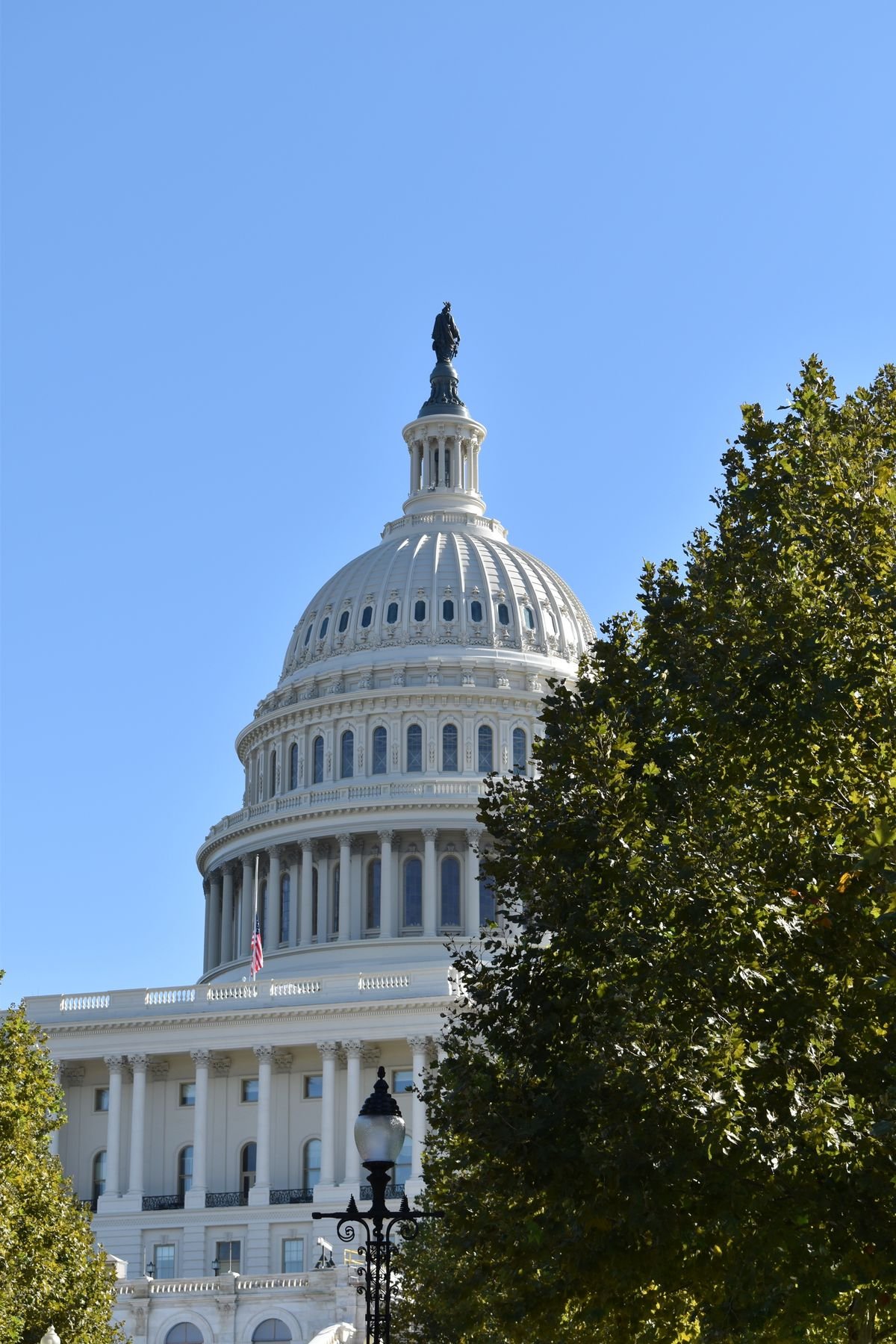
The hearing, before the Senate Homeland Security and Governmental Affairs Committee, was chaired by Senator Rand Paul, a physician and one of Fauci’s most persistent critics over the origins of COVID-19. What follows is a plain-English account of what happened, what “pleading the Fifth” actually means, and what could come next — without taking a side.
What Fauci did
Fauci told the committee that, on the advice of his attorneys, he would “invoke my right under the Fifth Amendment” and decline to answer the panel’s questions. He accused Paul of an obsession with seeing him prosecuted, and said the senator had recently released his unredacted personal diary in an effort to embarrass and intimidate him. Fauci argued the questioning was designed to trap him into a perjury charge; he characterized Paul’s approach in blunt, unflattering terms.
For his part, Paul rejected that framing and said Fauci was obligated to answer. At one point Paul had one of Fauci’s attorneys removed from the room after the lawyer tried to sit at the witness table. Fauci, having declined to testify, was still required to remain seated until the committee dismissed him.
What “pleading the Fifth” means
The Fifth Amendment to the U.S. Constitution says no person “shall be compelled in any criminal case to be a witness against himself.” In practice, that lets a witness decline to answer questions if a truthful answer might expose them to criminal liability.
Two things are worth understanding. First, invoking the Fifth is a constitutional right, and courts have long held that it is not, by itself, evidence or an admission of guilt. Second, witnesses sometimes invoke it not because they fear a particular answer, but because they worry any answer could later be used to build a perjury or obstruction case against them. Both readings — that it protects the innocent and that it can shield the culpable — have been argued for as long as the amendment has existed.
Why a contempt vote may follow
After Fauci declined to answer, Paul warned there would be consequences and said the committee would vote on a contempt resolution next week. Here is how that process generally works:
A congressional committee can vote to hold a witness in contempt; if it does, the resolution typically goes to the full chamber for a vote. If the full Senate agrees, the matter can be referred to the Department of Justice, which then decides — at its own discretion — whether to bring criminal charges. That last step is the catch: DOJ is not required to act, and contempt referrals have historically been resolved as often by politics and negotiation as by prosecution.
There is also a live legal question, which courts have addressed before, about whether someone can be held in contempt for invoking a constitutional right rather than for simply refusing to show up. Expect both sides to argue that point loudly.
The backdrop
Wednesday’s clash did not come out of nowhere. Paul and Fauci have sparred publicly for years over the origins of the pandemic, including the disputed “lab leak” theory and questions about U.S.-funded research abroad. Paul has repeatedly called for investigations; Fauci has repeatedly denied wrongdoing and accused Paul of grandstanding. The recent publication of Fauci’s personal diary added a new, personal edge to a feud that was already well established.
What happens next
The immediate milestone is the committee’s planned contempt vote next week. Even if it passes, the path from there — full-chamber vote, possible DOJ referral, likely court challenges — is long and uncertain, and none of the outcomes are guaranteed. In the meantime, expect continued political theater from both directions.
Strip away the shouting, and Wednesday’s hearing produced one clear fact: a former top health official chose to stay silent, and a senator promised to make an issue of it. Everything past that is still to be decided.
Fauci invoked his Fifth Amendment right and declined to answer questions from the Senate Homeland Security and Governmental Affairs Committee on July 29, 2026.
The Fifth Amendment lets a witness decline to answer questions if a truthful answer might expose them to criminal liability. Courts have long held that invoking it is not, by itself, evidence or an admission of guilt.
Paul warned there would be consequences after Fauci declined to answer, and said the committee would vote on a contempt resolution next week. If it passes, it would go to a full Senate vote and could then be referred to the Department of Justice.
For more political coverage, see Pete Hegseth: The Democrats’ New Favorite Target and Trump 2028: What the Constitution Actually Says. For more, visit our Politics section.
For official information on this story, see the U.S. Senate’s official site.
What is confirmed from the hearing record
The Senate Homeland Security and Governmental Affairs Committee held a hearing titled “Testimony of Anthony Fauci” on July 29, 2026. Fauci invoked the Fifth Amendment in response to questions rather than providing substantive answers. The official committee page and hearing video are the primary record for what was asked and how he responded; edited clips should be checked against that full context.
Invoking the Fifth is not an admission of guilt
The Fifth Amendment protects a person from being compelled to provide testimonial evidence that could be self-incriminating. The privilege may be invoked in a congressional hearing as well as in court. It does not establish that a crime occurred, and readers should not treat the invocation itself as proof of any allegation. Determining criminal liability requires evidence, lawful process and, where applicable, adjudication.
What congressional contempt would mean
A committee threat or recommendation is not the same as a completed contempt prosecution. Congress can pursue different enforcement routes, which may involve committee action, a chamber vote, referral or civil litigation. Each step has procedural and legal questions, including whether the privilege was validly asserted. Headlines should state which step has actually occurred.
Questions readers should keep separate
- What did Fauci say or decline to answer in the complete hearing?
- What documentary evidence did the committee place into the record?
- Has either chamber taken a formal contempt vote?
- Has a prosecutor or court made any finding? Political allegations alone are not findings of fact.
Primary sources and further reporting
- Senate HSGAC: official hearing page and video
- Constitution Annotated: Fifth Amendment
- Associated Press: hearing and contemplated Senate response
Editorial standard: Sanewords distinguishes allegations, constitutional rights, congressional procedure and proven facts. This article does not infer guilt from a witness’s decision to invoke a constitutional protection.

Leave a Reply