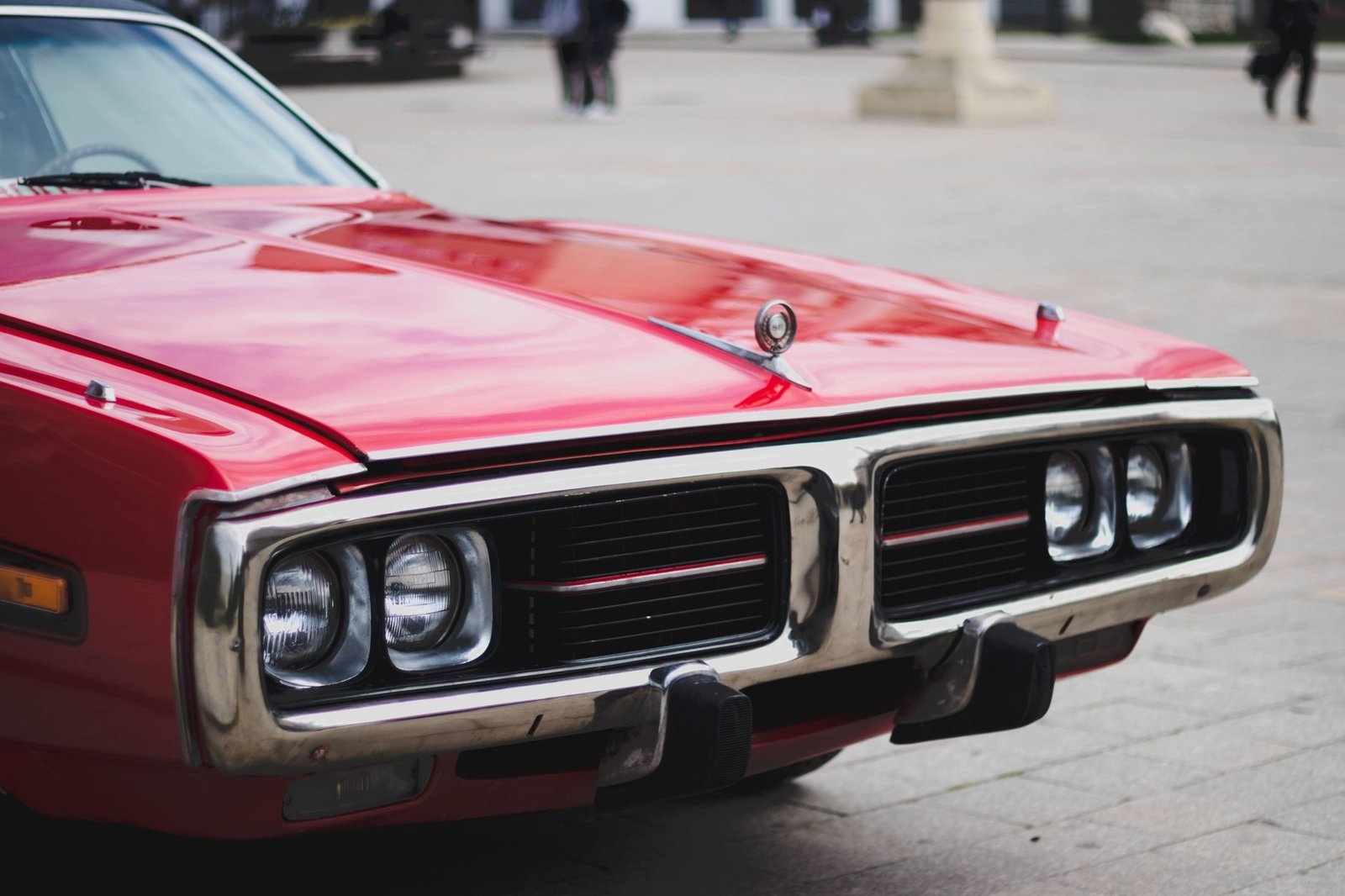
Dodge doesn’t do quiet announcements. The brand kicked off Woodward Dream Cruise Week in Pontiac by putting the Dodge Charger Super Bee on full display — a deliberate, chest-out statement to anyone who thought the iconic nameplate had lost its edge. For a marque that’s spent the last few years navigating a complicated transition away from pure V8 muscle, the timing couldn’t be more loaded.
Why the Dodge Charger Super Bee nameplate still carries weight
The Super Bee name dates back to 1968, when Dodge slapped a no-frills performance package on the Coronet and priced it cheap enough to actually sell. It was working-class muscle — no luxury pretensions, just speed. That DNA matters here, because Dodge isn’t just slapping a retro badge on sheet metal for nostalgia points.
The Charger Super Bee represents something more deliberate in Dodge’s current lineup strategy. With the brand moving toward electrified powertrains under the new Charger platform, each special edition release is essentially a conversation between Dodge and its loyalists — a negotiation over what the brand actually stands for going forward. Frankly, that’s a tension Dodge created for itself, and the Super Bee is one way they’re trying to manage it.
Woodward Dream Cruise — the shrewdest stage Dodge could pick
Choosing Woodward Dream Cruise Week wasn’t accidental. The event, centered along Woodward Avenue in the Detroit metro area, is the largest single-day automotive event in the world, drawing hundreds of thousands of enthusiasts annually. Pontiac sits right in the heart of that corridor.
Here’s the thing — this crowd doesn’t need convincing that cars matter. These are people who wake up on a Saturday, drive their prized vehicles out in public, and spend hours talking carburetors and horsepower with strangers. Reaching them with the Charger Super Bee reveal isn’t preaching to the unconverted. It’s a direct appeal to the exact demographic Dodge risks losing if the electrification pivot feels too abrupt or too corporate.
What the Charger Super Bee reveal signals about Dodge’s direction
Dodge has been walking a tightrope. The automaker ended production of the V8-powered Challenger and the previous Charger generation in 2023 — a moment that felt seismic to the muscle car community. The new Charger platform supports both a Hurricane inline-six and an electric powertrain, which, if you’ve been paying attention, shouldn’t surprise anyone given where the broader industry is heading.
But the Super Bee release suggests Dodge isn’t ready to fully abandon the performance identity that built its reputation. Special edition trims, heritage nameplates, and high-profile event reveals are the tools the brand is using to maintain emotional continuity with buyers who grew up on Hemis and quarter-mile times. Whether that strategy holds long-term is a separate question entirely.
The Dodge Charger Super Bee and the muscle car market’s bigger moment
American muscle is at a genuinely strange crossroads right now. Ford is still running the Mustang with a V8. Chevrolet killed the Camaro — then hinted at a possible revival. And Dodge is threading a needle between honoring a combustion legacy and building a business that survives the next decade of emissions standards and shifting buyer preferences.
The Charger Super Bee lands right in the middle of that tension. It’s not just a car reveal — it’s a signal about brand identity, about who Dodge thinks its customer is, and about how far nostalgia can carry a product lineup before something more substantial has to take over.
Woodward Dream Cruise Week gave Dodge a room full of exactly the right people to make that argument to. Whether the Charger Super Bee makes it stick is something the sales figures will eventually decide — not the applause on Woodward Avenue.

Leave a Reply