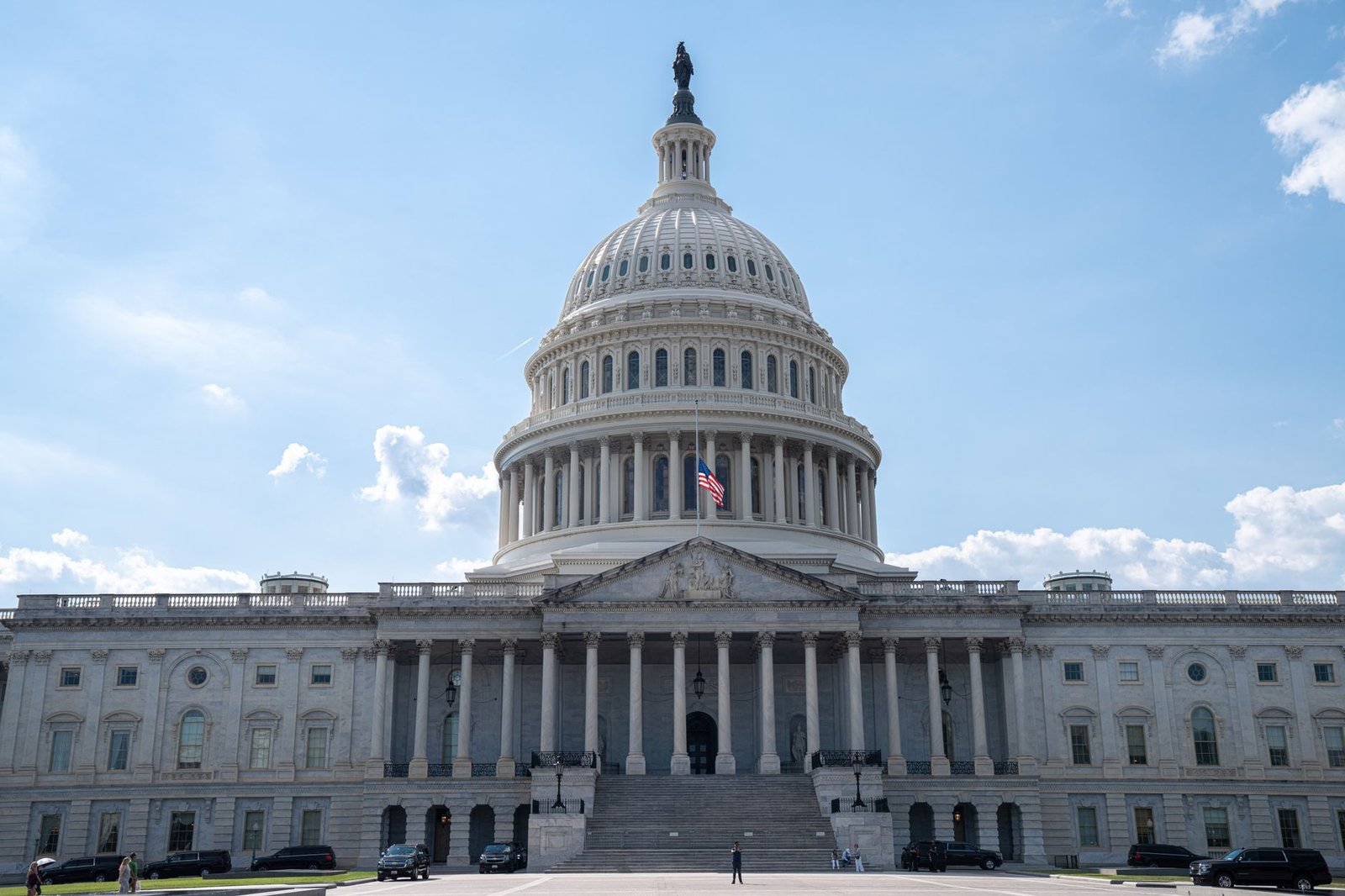
The word “act” gets thrown around constantly in political coverage, but it carries specific weight. An act isn’t just a proposal or a talking point — it’s a piece of legislation that has cleared every procedural hurdle and become enforceable law. Understanding that distinction matters right now, because the crypto industry has spent years treating favorable legislation as something close to an existential goal, and reports suggest a bill tied to Trump’s crypto business recently advanced in a meaningful way.
This piece isn’t about predicting what any specific bill will do. It’s about explaining, in plain terms, what actually happens between an idea floated in a press release and a law that changes how an industry operates — and why that gap matters so much to an industry like crypto, which has spent a long time operating in regulatory gray zones.
From Bill to Act: The Basic Mechanics
A bill starts as a draft. Someone in Congress — a senator or a House member — introduces it, and from there it typically goes to a committee that has jurisdiction over the subject matter. Financial legislation, including anything touching digital assets, usually lands with committees like House Financial Services or Senate Banking.
Committees can do a few things with a bill: ignore it, amend it, hold hearings on it, or vote to send it to the full chamber. Most bills introduced in a given congressional session never make it out of committee. That’s the first filter, and it’s a brutal one.
If a bill survives committee, it needs a floor vote in its chamber of origin. Then, if it passes there, the other chamber has to pass its own version — or the same version — before the two chambers reconcile any differences. Only after both the House and Senate agree on identical text does the bill go to the president’s desk. A presidential signature (or an override of a veto) is what finally converts a bill into an act.
That’s the technical definition, but the practical reality is messier. Bills get merged with other bills. Provisions get stripped out in last-minute negotiations. Sometimes what started as a narrow proposal becomes a small piece of a much larger package. So when people say a bill “snagged” a win, it often means it survived one of these stages — not that it’s law yet.
Why Industries Chase Legislative Wins So Aggressively
Industries lobby for legislation because ambiguity is expensive. When the rules aren’t clear, companies have to make judgment calls about compliance, and those judgment calls can turn into lawsuits, enforcement actions, or reputational damage years later. A clear statutory framework, even an imperfect one, gives businesses something to build around.
This is especially true for industries that regulators have treated inconsistently. A company might get one signal from one agency and a contradictory signal from another. Legislation, in theory, settles that by giving everyone — regulators, companies, and courts — a single reference point.
- Certainty over ambiguity: A defined legal category is usually preferable to operating under a patchwork of agency guidance that can shift with each administration.
- Reduced enforcement risk: Once a practice is explicitly permitted or defined under law, agencies have a harder time treating it as automatically suspect.
- Investor confidence: Institutional money tends to move more freely into sectors with codified rules, since compliance risk becomes easier to price.

The Crypto Industry’s High-Stakes Bet on Washington
Crypto’s relationship with financial regulation in the United States has been unusually contentious. For years, companies in the space have argued that existing securities and commodities law wasn’t built with digital assets in mind, leading to enforcement actions that felt, to many in the industry, unpredictable or retroactive. That frustration is a big part of why crypto firms and executives poured resources into political engagement, hoping that a friendlier legislative environment would finally settle long-running disputes about how tokens should be classified and regulated.
According to reporting on the current situation, parts of the industry viewed Trump as a figure who would push legislation in their favor, and a business connected to Trump has reportedly benefited from a bill advancing through Congress. The specifics of that bill — its full scope, its provisions, and its ultimate fate — aren’t something to speculate on here, since the available reporting is limited to the broad shape of the story rather than granular detail.
What’s worth noting, though, is the pattern this fits into. When an industry ties its regulatory hopes to a specific political figure or administration, it’s making a bet that goes beyond policy preferences. It’s a bet on continuity — that the same political coalition will remain in power long enough to see the legislation through committee, floor votes, reconciliation, and a presidential signature. Any disruption in that coalition, whether through elections, internal disagreements, or shifting priorities, can stall or kill a bill that seemed close to passage.
What Happens After a Bill Becomes an Act
Passage isn’t the finish line people often assume it is. Once a bill becomes an act, agencies typically have to write implementing regulations that translate the statutory language into operational rules. That process — often called rulemaking — can take months or years, and it usually includes a public comment period where affected parties, including crypto companies, weigh in on how the details should work.
Courts also get involved. Any new act, especially one touching a contentious and technically complex industry like digital assets, tends to face legal challenges from parties who believe it either goes too far or doesn’t go far enough. Those challenges can shape how the law actually functions in practice, sometimes years after it was signed.
There’s also the question of enforcement priorities. An act sets the legal framework, but the agencies responsible for enforcing it decide how aggressively to apply it. A change in agency leadership — which often follows elections — can shift enforcement posture dramatically, even without any change to the underlying statute.
- Rulemaking: Agencies draft specific regulations to implement the law’s broad language.
- Public comment: Industry groups and the public can formally respond before rules are finalized.
- Litigation: Affected parties may challenge the law or its implementing rules in court.
- Enforcement discretion: Agency leadership decides how strictly to apply the new framework day to day.
For an industry like crypto, all of these stages matter as much as the initial vote. A bill that becomes an act is a milestone, not a conclusion — the real shape of the regulatory environment often emerges gradually, through rules, court decisions, and enforcement choices made long after the signing ceremony ends.
Following legislation as it moves from a proposal to an actual act is one of the more reliable ways to understand where an industry’s regulatory future is headed, even when the fine print takes years to fully materialize.

Leave a Reply