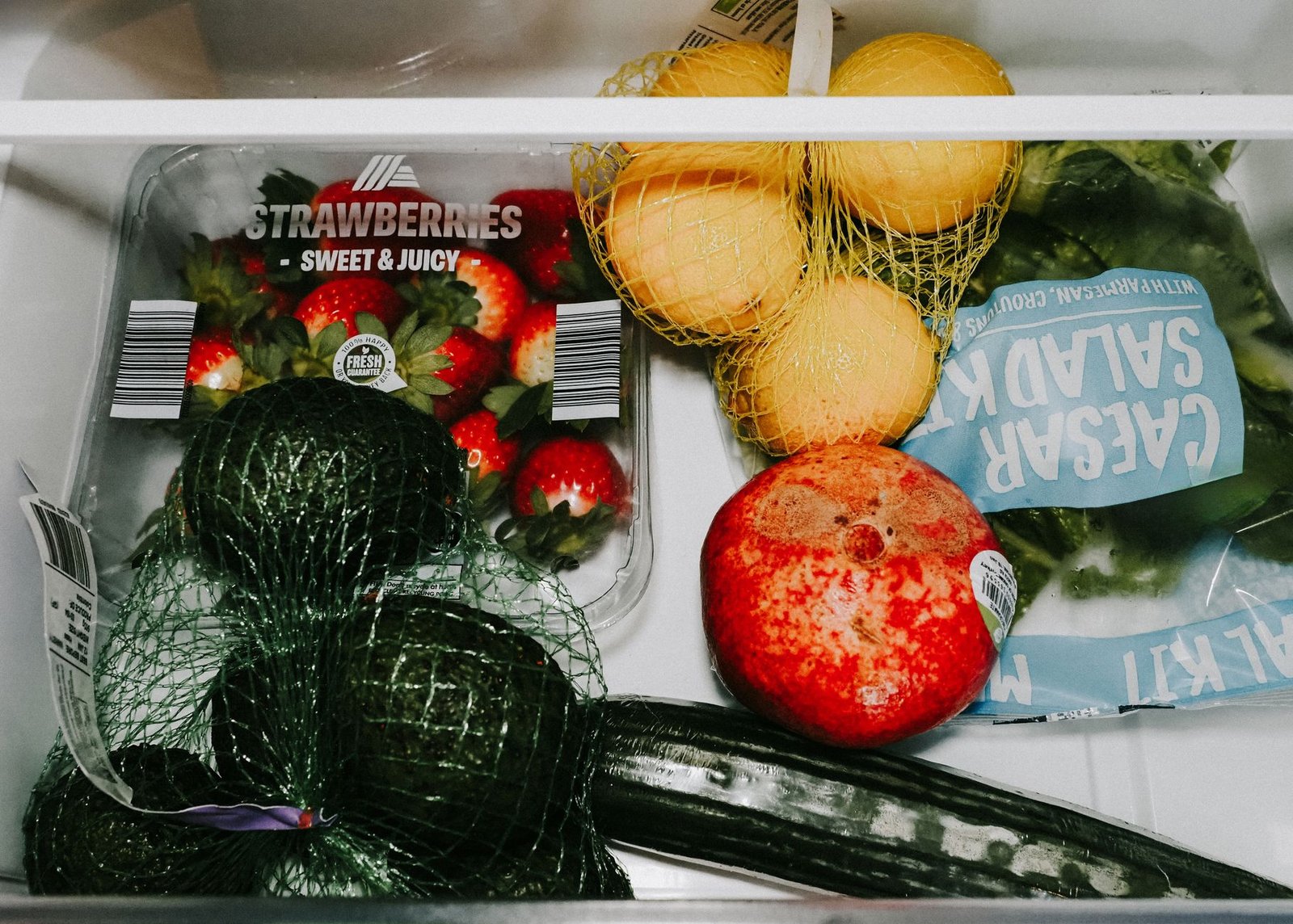
Most people don’t think of themselves as wasteful. Yet the average kitchen throws away far more food than anyone intends to, usually in small, unnoticed increments: the wilted lettuce shoved to the back of the fridge, the half loaf of bread that went stale before anyone got to it, the takeout container of leftovers that quietly turned into a science experiment. None of this happens because people don’t care. It happens because kitchens aren’t set up to help us track what we have, and because modern life makes it easy to buy on impulse and forget on habit.
Reducing food waste at home isn’t about martyrdom or eating sad, wilted vegetables out of guilt. It’s about building a few small systems that make it easier to use what you buy before it goes bad. Once those systems are in place, the savings show up in two places at once: less money spent replacing food you never got to, and less stuff going into the trash or the compost bin. Here’s how to actually get there.
Understand Where the Waste Is Really Coming From
Before changing habits, it helps to know where the losses are happening, because the fixes are different depending on the cause. Broadly, household food waste falls into three categories.
- Over-purchasing: Buying more than you’ll realistically cook, often driven by bulk discounts or vague meal plans.
- Poor storage: Food spoiling faster than it should because it’s kept at the wrong temperature, in the wrong container, or in the wrong part of the fridge.
- Forgotten inventory: Food that’s perfectly fine but gets buried behind other items and rediscovered only after it’s no longer usable.
A useful exercise is to spend one week paying attention, without judgment, to what actually ends up in the trash or compost. Was it produce that never got cooked? Bread that went stale? Leftovers that no one wanted to eat again? That short audit tells you which of the strategies below will matter most for your household, because not every tip applies equally to every kitchen.
Shop With a Plan, Not Just a List
A grocery list is a good start, but it’s often built around what sounds good in the store rather than what you’ll actually cook that week. A more effective approach is to plan backward from your calendar. Look at how many dinners you’re realistically cooking at home this week, factoring in the nights you know you’ll order takeout, eat leftovers, or not be home at all. Then build your shopping list around that number, not around vague ambition.
A few habits make a real difference here:
- Check the fridge and pantry before you shop. It sounds obvious, but most impulse over-buying happens because people forget what they already have. A quick phone photo of your fridge shelves before heading to the store solves this instantly.
- Buy perishables in quantities you’ll use within their realistic shelf life, not the biggest available size. A five-pound bag of spinach is only a bargain if you eat five pounds of spinach.
- Plan meals that share ingredients. If you buy cilantro for one recipe, plan a second meal that uses the rest of the bunch, rather than letting most of it die in the crisper drawer.
- Be honest about your week. If Wednesday is always chaotic, don’t plan an ambitious home-cooked meal for that night. Build in a frozen or pantry-based backup instead.
None of this requires rigid meal planning or spreadsheets. It just requires shopping with a realistic sense of the week ahead, rather than the week you wish you had.

Store Food in a Way That Actually Extends Its Life
Storage mistakes are responsible for a surprising amount of waste, and most of them are easy to fix once you know what’s going wrong.
- Know your fridge’s cold zones. The back of the fridge, near the cooling element, is coldest and best for milk, eggs, and meat. The door is the warmest part and worst for anything perishable, despite being designed to hold dairy and condiments.
- Keep produce visible. Food kept in opaque bins or pushed to the back gets forgotten. Clear containers, or simply keeping fresh produce at eye level, means you’re reminded to use it before it turns.
- Separate ethylene-sensitive produce. Some fruits, like apples and bananas, release gas that speeds up ripening in nearby produce. Keeping them apart from leafy greens and other fruit can noticeably slow spoilage.
- Freeze earlier rather than later. Bread, meat, and even herbs freeze well and don’t need to be on the edge of spoiling before you decide to freeze them. If you know you won’t use something in the next two or three days, freezing it immediately preserves far more quality than freezing it as a last resort.
- Store herbs like flowers. Trimming the stems and standing herbs like parsley or cilantro in a glass of water in the fridge, loosely covered with a bag, can extend their usable life considerably compared to leaving them in their original plastic wrap.
These are small adjustments, but they add up. Food that lasts even a few extra days is food that’s far more likely to actually get eaten.
Build a System for Using What’s About to Turn
Even with good shopping and storage habits, some food will always be close to its limit. The difference between a low-waste kitchen and a high-waste one often comes down to whether there’s a system for catching that food before it’s too late.
One simple method is designating a specific shelf or bin in the fridge as an “eat this first” zone. Anything nearing the end of its freshness goes there, so it’s the first thing you see when deciding what to cook. This removes the guesswork of digging through the fridge trying to remember what’s aging.
Leftovers deserve the same attention. A recurring “clean-out” meal once or twice a week, where whatever’s left in the fridge gets turned into a stir-fry, soup, frittata, or grain bowl, can absorb a surprising amount of food that would otherwise be wasted. Vegetables that are too soft to eat raw are often perfect for soups, sauces, or roasting. Stale bread makes breadcrumbs, croutons, or bread pudding. Overripe fruit works well in baking or smoothies.
For anything that genuinely can’t be saved, composting is worth setting up if your municipality supports it, or even a small countertop system for those who garden. It doesn’t reduce the initial waste, but it keeps food scraps out of the regular trash stream and returns nutrients to soil instead.
Finally, it helps to rethink expiration dates. Many of the dates printed on packaging refer to peak quality rather than safety, meaning food is often still perfectly fine to eat well past the printed date. Learning to judge freshness by smell, texture, and appearance, rather than relying solely on a stamped date, prevents a lot of unnecessary tossing of food that’s still good.
Cutting food waste at home isn’t about a single dramatic change. It’s the accumulation of small, repeatable habits: shopping with intention, storing food properly, and building a routine for using things up before they go bad. None of it requires special equipment or a complete lifestyle overhaul. It just requires paying a little more attention to a part of daily life that most of us have been running on autopilot for years.

Leave a Reply